
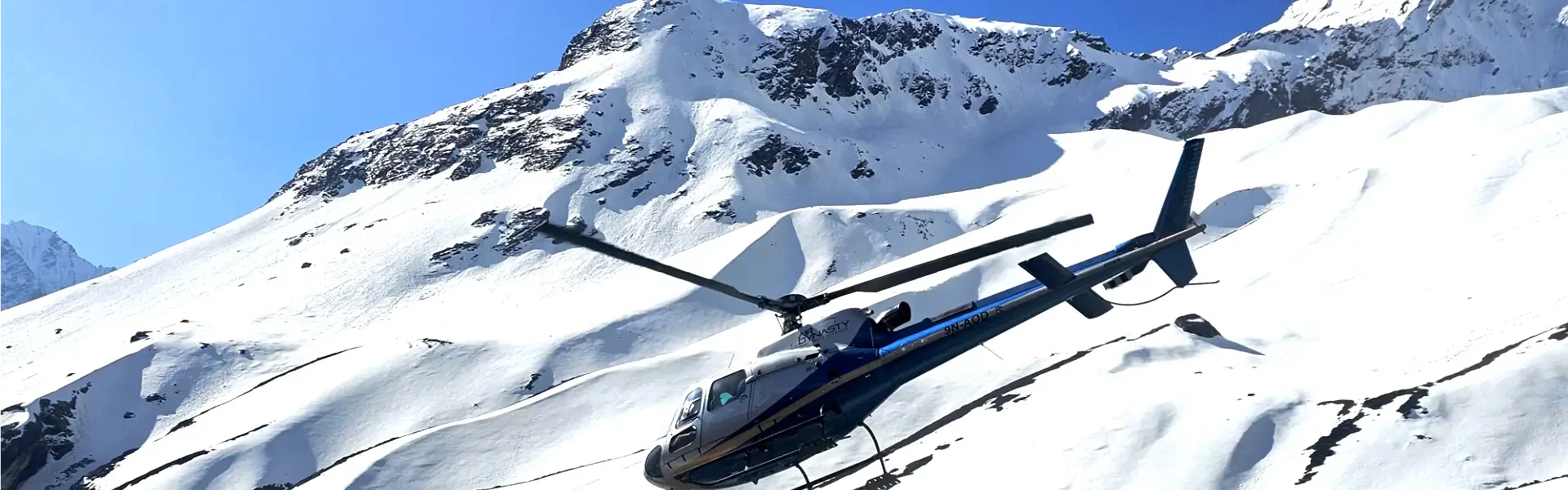

Annapurna Base Camp Heli Trek


 Trip Duration
  Group Size
  Max. Altitude
  Difficulty
 Meals
Meals - Breakfast
- Lunch
- Dinner
 Accommodation
 - Hotel
- Teahouse
 Activities
- Trekking
 Best Season
 - Spring
$ 800USD
- No. of Pax Per person
- 1 - 1 personUS$ 2700
- 2 - 2 peopleUS$ 1550
- 3 - 3 peopleUS$ 1200
- 4 - 4 peopleUS$ 1100
- 5 - 5 peopleUS$ 900
- 6 + people 9999 US$ 800
Total Cost:
US$ 2700
- Private trip departures everyday
- No hidden cost
- Local based company
- We can help for big group
- Over 17 years of experience
- According to your needs, we can Customize the itinerary.

Annapurna Base Camp Heli Trek Photo Gallery
Itinerary of Annapurna Base Camp Heli Trek
Includes/Excludes
What's included
- Pokhara – Jhinu danda drive on private jeep transport
- Helicopter back to Pokhara from Annapurna Base Camp
- Necessary papers and trekking permits ( ACAP permit and TIMS permit )
- 3 meals ( Breakfast, lunch and Dinner) and 3 hot drinks per day during trekking.
- Seasonal fruits after night meal.
- Accommodations in guesthouse during trek.
- Well trained English speaking guides (including their salary, accommodation, meal, transportation and insurance).
- For groups over 6 people – assistant guide (including their salary, accommodation, meal, transportation and insurance).
- Basic equipment for trekking such as down jacket, sleeping bag, duffel bag to use if you need
- Ambition Himalaya t-shirt ( our souvenir)
- First aid kit with guide hand
- Expedition taxes, paper works, and company service charges for the trek.
- Certificate of achievement can be prepared with the signature of company director and your local guide (only if requested).
Optional Addons
(Available addons on extra cost)
- Porter for trek ( use 1 porter for two trekkers)
- Deluxe hotel in Kathmandu and Pokhara
- private car or Flight (Kathmandu – Pokhara – Kathmandu)
What is excluded
- Overseas airfare, visa fees ($30 for 15 days, $50 for 30 days and $ 125 for 90 days ).
- Travel, emergency rescue charge and insurance
- Food other than mentioned above, telephone bills, laundry charges and shower fees.
- Wifi charger and battery charging bill during the trek.
- Porter if you need for trek ( we arrange with extra cost)
- Hotel in Kathmandu and Pokhara and any activities
- Extra incentives such as tips and gifts for the guide and porters.
- Any benefits not mentioned in ‘cost includes’ section unless indicated on booking.
Equipment you need to bring
Pair of trek boot, sleeping bag, down jacket, pullovers, neck scarf for evening/night/morning.
Sun hat and casual warm clothes for day.
Some pairs of good quality socks, slippers, suntan lotions, personal medications etc. Click here for more
Private Group Discounts Available
| No. of People | Price Per Person |
| 1 Pax | US$ 2700 |
| 2 Pax | US$ 1550 |
| 3 Pax | US$ 1200 |
| 4 Pax | US$ 1100 |
| 5 Pax | US$ 900 |
| 6 Over | US$ 800 |
Trip Information
History and Significance of Annapurna
Annapurna (the range) is one of the most well-known mountain ranges in the world, and Annapurna I stands at 8,091 meters. Maurice Herzog led a French team to the first 8,000 meter peak in 1950. This was a major historic achievement in mountaineering history.
Locals hold a spiritual attachment to Annapurna, especially the Gurung community, who believe it is a sacred mountain. It also forms a significant contribution in Nepal’s tourism, as a number of trekkers, climbers, and nature lovers come from here in different parts of the world. It is a dramatic beauty, and there is cultural richness to be found in it.
Geological Formation of Annapurna
Some millions of years ago, the Indian tectonic plate collided with the Eurasian plate, leading to the formation of the Annapurna mountain range. The result was the rising of the land and the creation of the Himalayas, caused by this massive force.
Most of the rocks of Annapurna are sedimentary and metamorphic rocks, including limestone and quartzite. Glaciers, rivers, and deep valleys formed by natural erosion over time are to be found in the region.
The tectonic activity is still ongoing, resulting in earthquakes and landslides. These forces have continued to mold the landscape today, and consequently, the Annapurna region is still beautiful, but very active geologically and interesting for scientists and nature lovers.
Who can join the Annapurna Base Camp Heli Tour?
Aspiring participants are required to be fit enough to undertake the Annapurna Base Camp Heli Trek. It is suitable for anyone who has basic fitness, from families to senior travelers, and more, with limited time or accessibility for walking.
There’s no such thing as previous trekking experience required. While this tour does not involve extended hikes, long hikes are neither necessary nor required, and it is easy, safe, and fun for most travelers.
Starting Point
On a usual occasion, the Annapurna Base Camp Heli Tour starts from Pokhara, a well-decorated and beautiful lakeside city of central Nepal. The bustling expanse of Pokhara rests at the foot of the Annapurna range, and it is the usual point of origin for most Himalayan adventures.
The private jeep or public bus leaves from the city. Clear skies and the best views are observed on early morning flights. As your trip starts, you will soon ascend high above lush hills, forests, and villages.
End Point
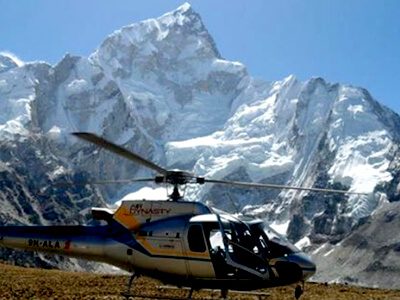
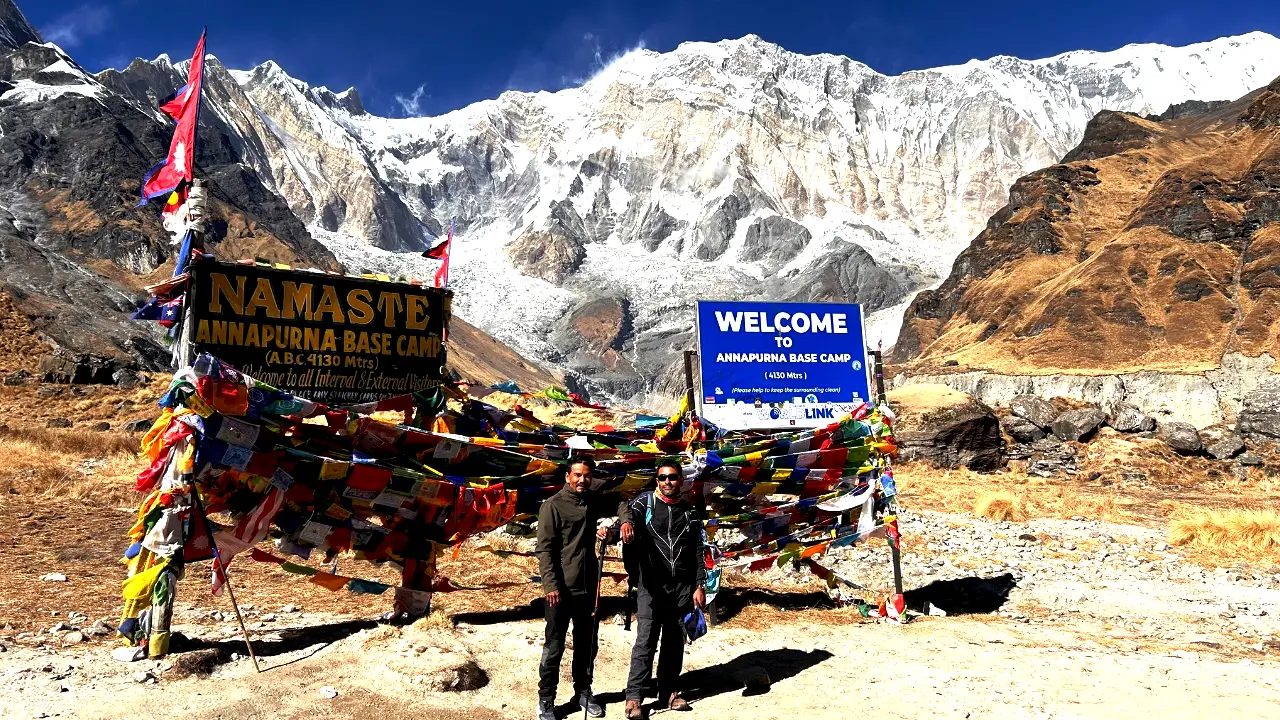
Annapurna Base Camp Heli Trek will have a helicopter during the fourth day on the Annapurna Base Camp, which is a place set at about 4,130 meters. After you board in the helicopter, you will reach a very high altitude in the skies, showing the grandiose mountain views, then fly back to Pokhara.
This round trip provides a good means of experiencing the Himalayas in a few hours without the associated multi-day trek and without compromising on the breathtaking experiences one gets to enjoy.
Best Time for the Annapurna Base Camp Heli Trek
The perfect time for the Annapurna Base Camp Heli Trek is Spring (March to May) and Autumn (September to November). These months provide clear skies, good weather, and great mountain views.
Flowers blossom in spring, rhododendrons, and in the autumn, the air is clean and dry, calm with no change in conditions. In fact, these seasons are safer because there are a lot less chances of rain or snow.
It is colder in winter, but one can do it with proper gear and layered clothing. In the monsoon, it rains too much and can cause delays for the helicopter flight. The selection of the right season will make the trip a better one, and it will be more pleasant to be there with the best mountain scenery.
Winter and Monsoon Annapurna Base Camp Heli Trek
Winter (December to February), together with Monsoon (July to August), are the usually avoided seasons for trekking in Nepal.
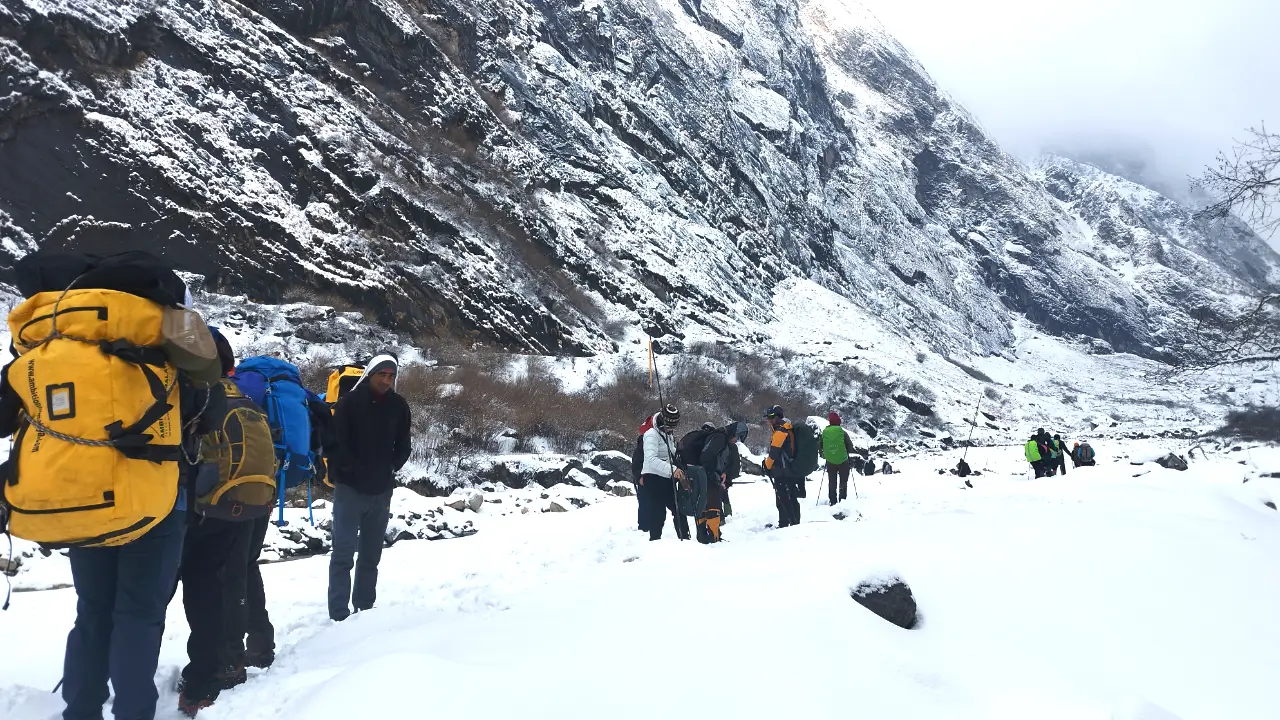
Winter during the Annapurna Base Camp Heli Trek brings cold temperatures and snow accumulations. This snow can make trail conditions worse, and the temperatures can make you sick.
Monsoon, on the other hand, is possibly the worst, with heavy rainfall and slippery trails. The route conditions make trips problematic, and the risks of landslides will be frequent.
Overall, Winter and Monsoon are still possible if you have proper gear and an experienced guide. These seasons are better for adventurous travelers who want a demanding trip.
Weather Conditions and Challenges
The weather during the Annapurna Base Camp Heli Trek is unpredictable. There are good views, afternoons could be cloudy or rainy, but mornings are often clear. You have good weather in spring and autumn, and winter can be very cold with snow. It is rainy during the monsoon, especially in the months of June to August.
The weather can change during the day, which will affect flights for helicopters, such as flight delays or changes in plans. These delays make flexibility in the itinerary very important.
Additionally, some people can experience slight sickness at high altitude. Following the guides’ advice, drinking water, resting can help avoid problems. All in all, the tour is safe if planned.
Mountains to see from the Helicopter
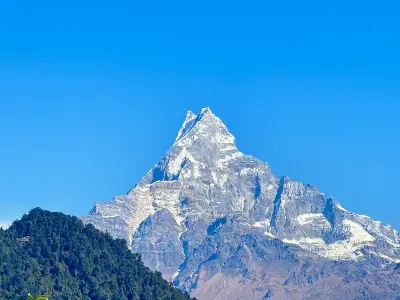
It is possible to see many famous mountains such as Annapurna I, Machapuchare (Fishtail), Hiunchuli, and Annapurna South from the helicopter. In addition, you can see Dhaulagiri, Gangapurna, and Nilgiri peaks.
The sky views are great, especially when they rise above deep valleys and green hills, covered in snow. In a short time, the flight offers a close look at Himalayan beauty.
Difficulty of Annapurna Base Camp Heli Trek
Annapurna Base Camp Heli Trek is an easy-to-moderate adventure. The full trek of several days is quite an effort, whereas this tour involves a short hike and a helicopter flight. The walking part of the trail, generally, is on well–maintained trails through villages and forests.
Technical climbing is not required. It features some steep and tiring parts for beginners, however. The flight in the helicopter reduces the total walking time and to the detour of high altitude routes.
All in all, it’s good for most people with basic fitness, but those who do not want to have extreme physical issues in the Himalaya can opt for it.
Fitness and Training Requirements
The Annapurna Base Camp Heli Trek doesn’t require you to be an athlete, but it is recommended if you have some fitness level. Insufficient stamina can be improved with walking, jogging, or climbing stairs for a few weeks before the trip.
Training is not intense since the hiking part is short and the helicopter does most of the work. Though some parts involve some uphill and downhill walks, one is quite all right with light trekking.
It is advisable for patients with heart problems or breathing issues to consult a doctor before joining. In general, this trek is newbie and tourist-friendly.
Permits and Entry Requirements
A couple of permits are required to join the Annapurna Base Camp Heli Trek. The TIMS card (Trekkers’ Information Management System) is the first one, and the second one is the Annapurna Conservation Area Permit (ACAP).
These permits are for safety and environmental protection in the region. They can be obtained in Kathmandu or Pokhara, and they are generally arranged for you by your tour company.
Also, do carry a valid passport and some passport-size photos for the permit process. There is no special visa other than a normal Nepali tourist visa. During the trip, make sure to always have permits with you, as those are checked at the checkpoints.
Accommodation and Food Options During the Trek
The trekking part of the Annapurna Base Camp Heli Trek will include tea houses and guesthouses on the way. They are simple lodges with no frills, that is, clean rooms, with blankets or really anything, and shared bathrooms.
However, some of these cafes provide hot showers for a small additional fee. Food is fresh and warm, along with rice, noodles, soups, eggs, and Dal Bhat (Nepali meal).
Pasta, pancakes, and even toast can also be found as Western food. Tea, coffee, as well as bottled water are also available. Also, the mountain views from those lodges are relaxing, as the hospitality is friendly.
Altitude and Acclimatization Tips
Annapurna Base Camp Heli Trek is a trek to an altitude of 4,130 meters, which is a high altitude. Even though the helicopter saves hikers from having to hike at high elevation, it is still important to be careful.
Also, your body adjusts, so you should drink plenty of water, drink less alcohol, and eat light meals. If trekking parts are involved, walk slowly. Take rest when required, and listen to your guide’s advice.
Headaches or shortness of breath can sometimes be felt by some people. Descend immediately if symptoms become worse. While the risk is lower with a heli trek, it’s helpful to be aware and prepared for the experience.
Cultural and Natural Highlights
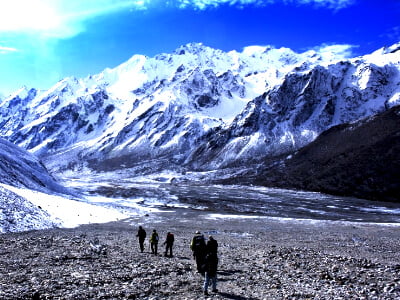
The Annapurna region has always been a region that is culturally rich and beautiful. You will trek through the traditional Gurung and Magar villages along the trekking path, and locals will greet and smile at you in these villages.
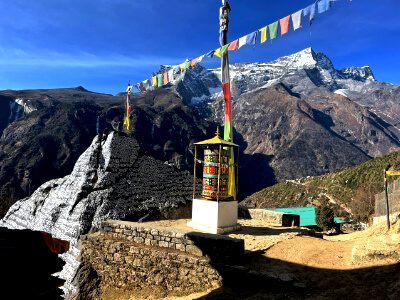
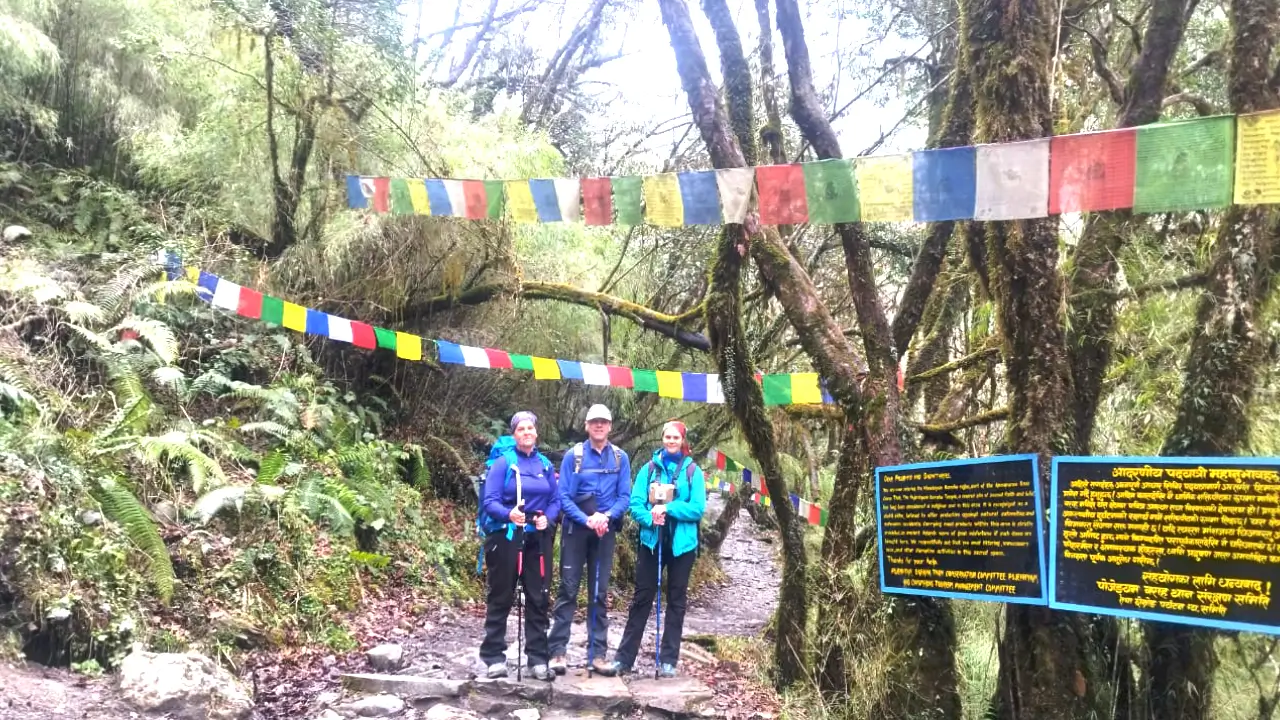
It can have old stone houses, prayer flags, and even a few small temples. Lush forests, green hills, rivers, and snow-covered mountains block the views of the area from all sides.
With the helicopter flight comes the excitement of deep valleys and tall peaks seen from the bird’s eye. You will also land at Annapurna Base Camp, which is surrounded by mountains. This is a mix of culture and nature, and thus the tour is a truly unforgettable Himalayan adventure.
Flora and Fauna of the Annapurna Region
There is a great deal of wildlife and plant life in the Annapurna Base Camp Heli Trek. The trails are lined by rhododendron forests, bamboo groves, and oak trees. The walk is very beautiful as the hills are filled with colorful flowers in spring.
They are also home to animals like the Himalayan tahr, langurs (monkeys), musk deer, and sometimes the snow leopard. It is also home to many bird species like Himalayan monals and eagles.
It is a peaceful and exciting environment that the natural elements cultivate. In the hiking part, you get to see the unique and diverse nature of the region up close and from above, and during the helicopter ride, too.
Travel Insurance Recommendations
It is highly recommended to take travel insurance for the Annapurna Base Camp Heli Trek. Try to choose a plan that has coverage for high altitude trekking and emergency helicopter evacuation.
The trip can be shorter and safer than full treks, but incidents or altitude sickness can occur. Make sure that the insurance you take encompasses medical coverage, trip delays, lost baggage protection, and so on.
There are some providers who offer adventure-specific policies, which are best suited for this sort of tour. Always read the policy carefully and have it printed during the trip. It provides peace of mind and makes you safe financially if anything happens to you in the mountains unexpectedly.
Environmental Responsibility and Sustainable Trekking
While on the Annapurna Base Camp Heli Trek, you are obliged to keep the environment safe as well. Sustainable practices should be followed that help preserve nature and the locals. And always carry reusable bottles in order to avoid littering as little plastic as possible.
Pick tea houses that use solar energy or at least offer eco-friendly service. Respect wildlife, plants, and local customs. Marked trails are meant to be followed; damage to the landscape is prevented by sticking to these.
Sustainability-focused tour operators can play a big role in the conservation of these animals, as well as help families in their local communities. Joining such groups will help encourage responsible tourism.
The eco-consciousness of helicopter flights should also follow limited landings and little fuel usage. Being careful and respectful keeps the Annapurna region beautiful for future visitors. If anyone is wandering the Himalayas, it is not a trend but a responsibility of sustainable trekking.
Helicopter Safety and Regulations
The Annapurna Base Camp Heli Trek, for the most part, is safe, and the pilots and the companies are trustworthy. The Civil Aviation Authority of Nepal prescribes strict rules for the conduct of these flights.
Helicopters are checked for safety before takeoff, and pilots have had flying experience at altitude. They are also briefed about safety when traveling on the passenger coaches. Weight is controlled very carefully to obtain as close to balance and performance at high altitude as possible.
Flights are postponed or cancelled if there is a question of safety based on monitoring of weather conditions. There are also emergency protocols and rescue options available. It is important to choose a licensed and reputable.
Flying over mountains can be an exciting experience; however, with safety rules being observed guarantees that everyone onboard will have a safe and smooth experience. In any of our mountain helicopter tours, it is always about safety first.
Group vs. Private Tour
When deciding to go on an Annapurna Base Camp Heli Trek, there is a variety to choose from: a group option or a private option. For more budget-friendly group tours, the cost is divided among other participants.
Meeting other travelers and experiencing the trip with them is also a great thing. Group tours are, however, rigid as they have fixed schedules, and sometimes there can be a lack of flexibility.
Tours that are private are more costly, but they are personalized ones. You can choose what speed, timing, or preferences you want. Families, couples, and photographers who want more time at scenic spots will find it ideal. You also receive more attention from the guides and staff.
The amazing views and helicopter experience regarding both options are the same. It depends on which budget, flexibility, and your travel style you choose. In any case, you’ll have an experience you can definitely remember in the Himalayas.
Photography Tips
Photography on the Annapurna Base Camp Heli Trek is essentially about timing and angle. Sitting on the right side of the helicopter during the flight from Pokhara gives you the best aerial views of terraced fields and rolling hills.
As you go up, get ready to capture Machapuchare (Fishtail Mountain), which seems very good with its sharp peak. A wide-angle lens allows you to frame whole mountain ranges on either side of the subject.
On Annapurna Base Camp, also take a couple of photos looking to the north to try and capture Annapurna I as well as the other snow peaks forming a beautiful snow-clad circle. Golden lighting, great for dramatic shots, is provided by the sunrise tours.
Remember to take close-ups of the texture in snow, prayer flags, and glacier topography. If at all possible, bring a polarizing filter to cut down on glare and improve contrast of the sky.
You are allowed handheld shots and will have to rely on smartphone cameras, as drones are usually not allowed. Make sure that your camera stays warm; cold air tends to shorten the life of the battery.
Annapurna Base Camp vs. Everest Base Camp Heli Tour
Compared to the Everest Base Camp Heli tour, the Annapurna Base Camp Heli Trek gives some Himalayan experiences; however, each one of these is diverse in the ranges, altitude, and group levels.
Annapurna Base Camp (ABC) is at 4,130m surrounded by peaks forming a natural asylum. The forests are lush, the village culture is more peaceful, and it is quieter.
Even though people have easier access to them, it was more alive back then. With a helicopter ride, the wide view greets you: Machapuchare, Annapurna I, and Dhaulagiri, which from the east stand tall and clear.
At 5,354 meters, Everest Base Camp (EBC) offers the most iconic views of the World’s Highest Mountain. The conditions are more difficult, and the flight stops at Kala Patthar, which provides closer views of Everest. It is more dramatic, but more crowded and more expensive.
Whether the traveller is looking for the most relaxing, stunning adventure or the one who wants the ultimate high altitude experience, it is the right place.

Good to know, before you travel
Want to learn more about this journey in-depth? Essential Trip Information includes a thorough itinerary, information for visa processing, Accommodations, Food , Acclimatization’s and pretty much anything else you could possibly need to know about this tour. Read more inside.
Frequently Asked Question
The whole tour takes 4 days, starting from Pokhara, including the flight from ABC (Annapurna Base Camp).
It is recommended that doctors be consulted before booking if children, elderly travelers, or those with heart or respiratory problems are at the party. Some passengers can be affected even with a short landing, owing to the high altitude (4,130m).
In case of unsafe weather for flying, the tour can be rescheduled for the next available day. And if rescheduling is not on the table, most operators do provide a full or partial refund, just according to their cancellation policy.
Something warm on the top would be best as the temperatures vary. You should wear a warm jacket, gloves, a hat, sunglasses, and sturdy shoes. At the high altitude, Annapurna Base Camp is cold even in warmer months with strong winds.
Yes, the toilets in the Annapurna Base Camp Heli Trek are located mostly in teahouses. But they are just plain squat toilets with little water supply. Hygiene is best carried out using your own tissues and hand sanitizer.
You can also bring light snacks such as protein bars, nuts, or chocolate, but something that’s packed with smell to avoid is a no. Avoiding eating too much before the flight is recommended because of altitude changes and being able to experience motion sickness.
Mild altitude sickness (rarely) is possible from the rapid ascent to 4,130m. Before the flight, avoiding alcohol and drinking plenty of water will help minimize discomfort.
Sometimes ABC involves a tour operator’s tea or a breakfast break, but this is up to the package. If the breakfast is not included, you can purchase food at the teahouses at Annapurna Base Camp while having a short break.
Quick Inquiry Form
 Read all reviews in Tripadvisor
$ 800USD
- No. of Pax Per person
- 1 - 1 personUS$ 2700
- 2 - 2 peopleUS$ 1550
- 3 - 3 peopleUS$ 1200
- 4 - 4 peopleUS$ 1100
- 5 - 5 peopleUS$ 900
- 6 + people 9999 US$ 800
Total Cost:
US$ 2700
- Private trip departures everyday
- No hidden cost
- Local based company
- Over 17 years of experience
- Trip Customization