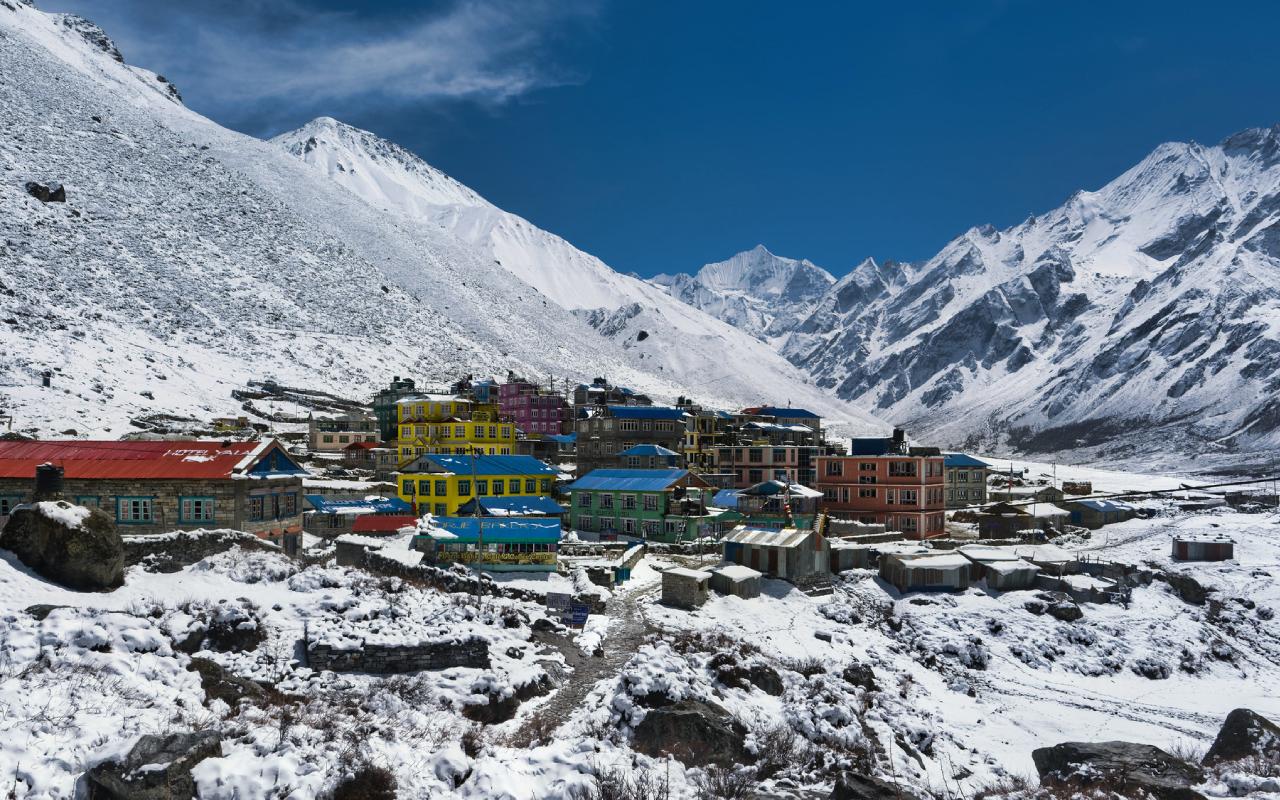


Is Nepal Safe for Female Travellers?
Thinking about an adventure to the Himalayas often raises the question, “Is Nepal safe for female travelers?” The short answer is a resounding yes. Nepal attracts thousands of solo women every year, and nearly all return with wonderful stories and no major incidents. In fact, Nepal is widely considered one of the safer destinations in Asia for women travellers.
Locals uphold the traditional greeting “Atithi Devo Bhava” (Guest is God) – a deep cultural ethos meaning visitors (especially women) are treated with respect and kindness. World-travelers consistently note that Nepali people tend to be calm, hospitable, and attentive without being intrusive. In Nepal, you’re a guest, not a walking wallet – you’ll be welcomed with tea, directions, and warm smiles rather than hassle.
Many trekkers find that simply walking the trails – even alone – is a peaceful, low-stress experience. As one travel writer put it, “I experienced zero problems. I walked everywhere through Kathmandu and even down quiet back alleys, and I felt safe the entire time”.
Nepal’s tourism industry also supports women’s safety: for example, programs like Empowering Women of Nepal (EWN) and She Treks Nepal train hundreds of female guides and porters, and even a female-only trekking company (3 Sisters Adventure) has run tours since 1994. This means you’ll often find knowledgeable, empathetic Nepali women as guides – making treks both safe and culturally enriching.
Warm Hospitality and Cultural Respect
Nepali people are generally humble in their hospitality all over the country. Communities tend to treat visitors as part of the family, particularly women. People often hear that Nepalis tend to refer to girls and women as their sisters, daughters, and that they take care of you subconsciously.
In tourist towns and on trails, locals will help you with directions, offer extra tea, or even warn you if a jeep’s brakes are faulty. For example, one female trekker described being rescued by a Nepali guide who risked his own safety to bring her back up a washed-out mountain path – and he did it with politeness and care. Such gestures highlight the kindness you’ll find everywhere.
Combining Hindu and Buddhist cultures, the society in Nepal is a respectful place to live in. “Many Nepalis are deeply spiritual, and that gentleness seeps into everyday life,” wrote one solo traveler. Tourists often note that Nepalis keep a polite distance and don’t resort to noisy sales tactics or harassment on the street.
Of course, as in any country, there are exceptions – but the vast majority of visitors experience curiosity and helpfulness rather than aggression. By understanding and observing local customs (like dressing conservatively in temples and public places), female visitors blend right in and enjoy a warm reception.
Importantly, crime against women is relatively low in Nepal. According to Nepal travel advisories, serious crimes involving tourists are rare. Petty theft or street scams can occur in crowded markets or on busy streets, but these are non-gender-specific issues – the risk for a solo woman is similar to that for any tourist.
In general, Nepali women themselves often work or travel freely, and Nepali culture still holds women in high regard as mothers, sisters, and daughters. When local women see you, they may step in to help – for instance, letting you sit together on a crowded bus or guiding you to safe accommodations if needed. This “informal safety network” is part of daily life here.
Smart, Prepared Travel Tips
Even in a friendly country, it’s wise to use common-sense precautions. Dress modestly to respect local norms and avoid unwanted attention. Women in Nepal often cover their shoulders and knees, and you’ll blend in more easily (and stay warmer on high-altitude treks!) if you do the same.
Avoid flashy jewelry or leaving valuables in plain view: pickpocketing can happen in tourist zones, just as it can in any city. Carry a small cross-body bag and keep important documents locked in your hotel or a secure money belt.
Travel during daylight when possible, especially in cities. Kathmandu and Pokhara are generally safe for daytime exploring, but like any big city, use caution after dark. Stick to well-lit tourist areas (Thamel in Kathmandu, Lakeside in Pokhara) and walk in groups at night. Thamel and Lakeside are bustling and well-patrolled.
Most women feel comfortable in well-lit tourist areas at night, though normal caution is still important. If you do go out late, it’s smart to take a taxi or stay in small groups. Nepali tourist police (hotline 1144) and local guides are always ready to help if you feel unsafe.
When trekking, always go with a guide or group. Thousands of women trek in Nepal safely each year by joining organized groups or hiring a guide for independent travel. Guides from reputable companies have first-aid training, know the terrain, and speak English.
They not only make the trek smoother and more fun, but they also greatly boost safety: you’ll have someone to carry gear in emergencies, show you the correct paths, and liaise with teahouse owners or porters. (In fact, Nepal’s government now requires licensed guides on many popular trails, so you’ll never be truly “alone” on routes like Annapurna and Langtang.)
The Annapurna Circuit is often recommended for solo women because it is one of the most well-traveled routes, with teahouses at every stop and fellow trekkers around.
Pack appropriate gear and clothing for your trekking region and season. In the mountains, layers will protect you from sunburn and chilly weather alike. During spring (March-May) and autumn (late September-November), the skies are clear, and lodges are open, so you’ll have company on the trail and full facilities each night.
A good travel insurer (covering hiking and helicopter rescue) is essential – check permit requirements ahead of time, too. It’s also wise to register your trek with a friend or your agency and carry a local SIM card. That way, family or your hotel knows where you are, even if the mobile signal drops in the valleys.
On transportation, opt for tourist buses and flights for comfort and safety. Tourist buses stop at designated spots with better amenities, and their drivers tend to drive more carefully than rickety local buses. Short domestic flights are routine, but weather and mountain terrain can cause delays and affect flight schedules.
If you do take a local bus or flight, be aware of altitude changes and have bottled water. In cities, official blue-and-white taxis and ride-share apps like Pathao/InDrive are trustworthy. It’s a good habit (some local women do this) to note down the taxi’s license plate before hopping in alone.
Thankfully, harassment in taxis is uncommon, and most drivers are professional and respectful. Local guides often note that harassment by taxi drivers is rare.
Top Regions for Women Adventurers
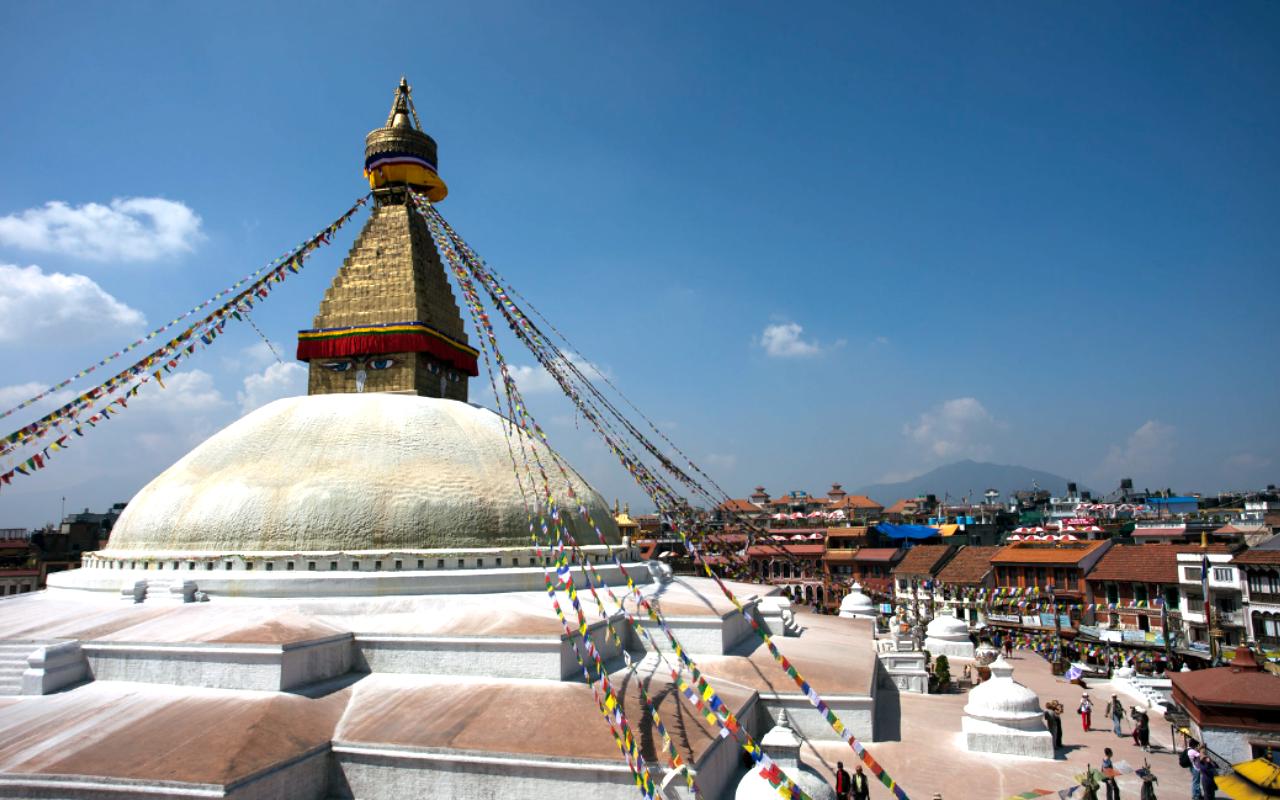
Kathmandu Valley (Kathmandu, Bhaktapur, Patan): Nepal’s capital and its surrounding heritage cities are tourist-friendly and generally safe. Women travel freely through sites like Boudhanath and Durbar Square during the day.
As a visitor, you’ll be greeted with smiles and namaste greetings. Just use normal urban caution: keep an eye on your bag in markets, don’t wander dark alleyways at midnight, and consider a guided city tour if it’s your first time.
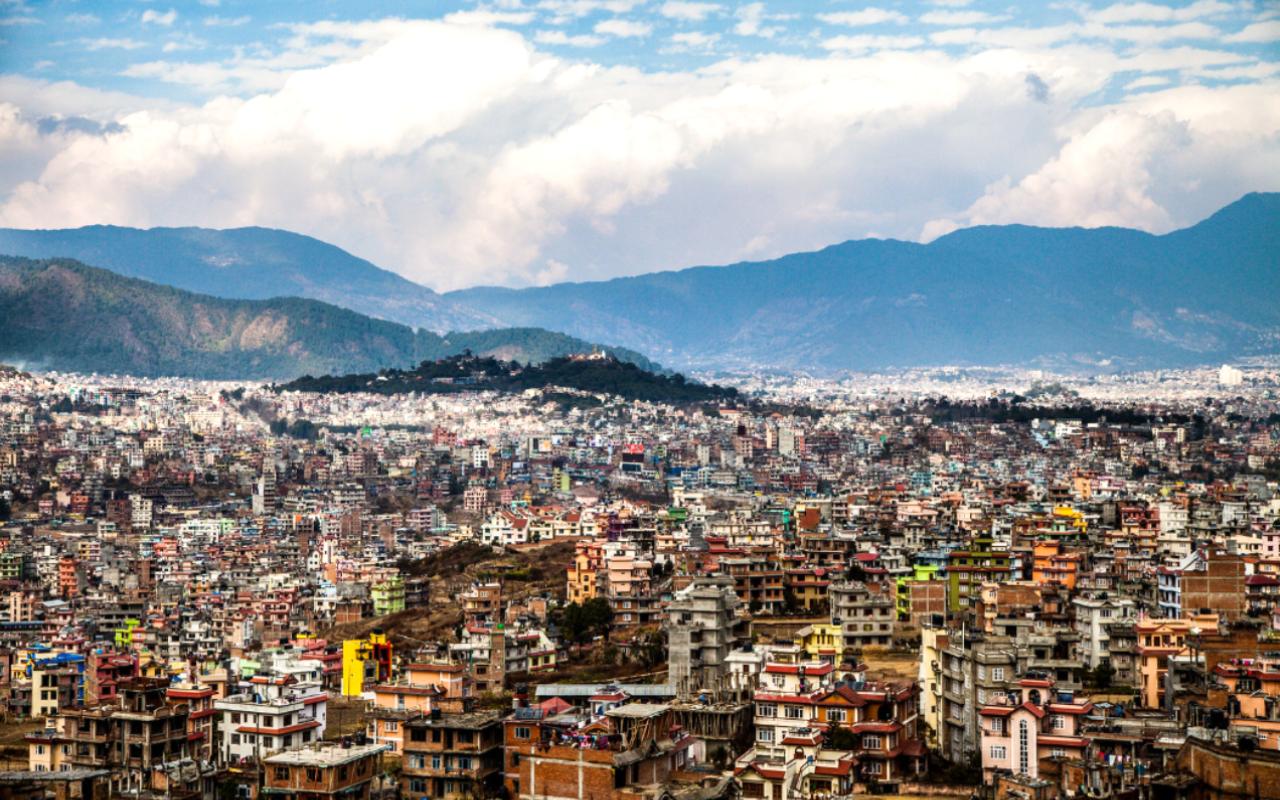
Kathmandu is vibrant and bold – its positive side is the rich culture and easy access to services (and dozens of female-owned cafes and shops). At night, stick to busy areas or your hotel’s surroundings.
Pokhara and Lakeside: This tranquil lakeside city is especially beloved by women travelers. With stunning mountain views, calm Phewa Lake, and a pedestrian-friendly lakeside promenade, Pokhara feels safe and serene.
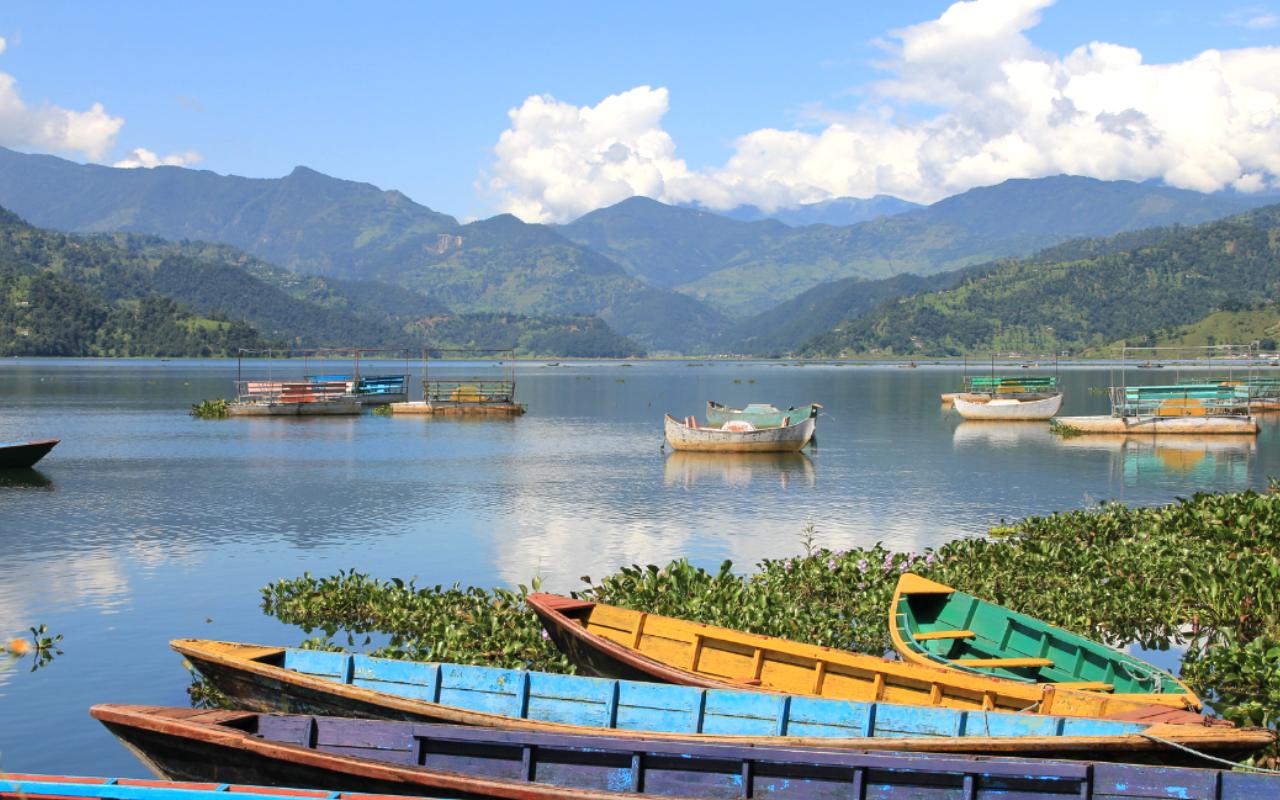
Local shopkeepers and boat operators are accustomed to foreign women – many travelers note the easygoing atmosphere and helpful locals here. The boathouses and cafes around Lakeside are lit well at night, and you can even safely rent a bike or ATV to explore the gentle hills and waterfalls nearby. If you’re worried about trekking fatigue, Pokhara is also the best place to hire guides and porters for Annapurna treks, which adds an extra layer of safety and comfort.
Annapurna Region (Annapurna Circuit, ABC, Poon Hill): These mountain routes rank among the best for female solo trekkers. Well-maintained trails and a string of lodges make it easy to hike in company. The scenery is breathtaking, and the infrastructure is excellent – teahouses have separate rooms or floors for women, and many trekkers end up making friends over shared meals of dal-bhat (the Nepali staple).
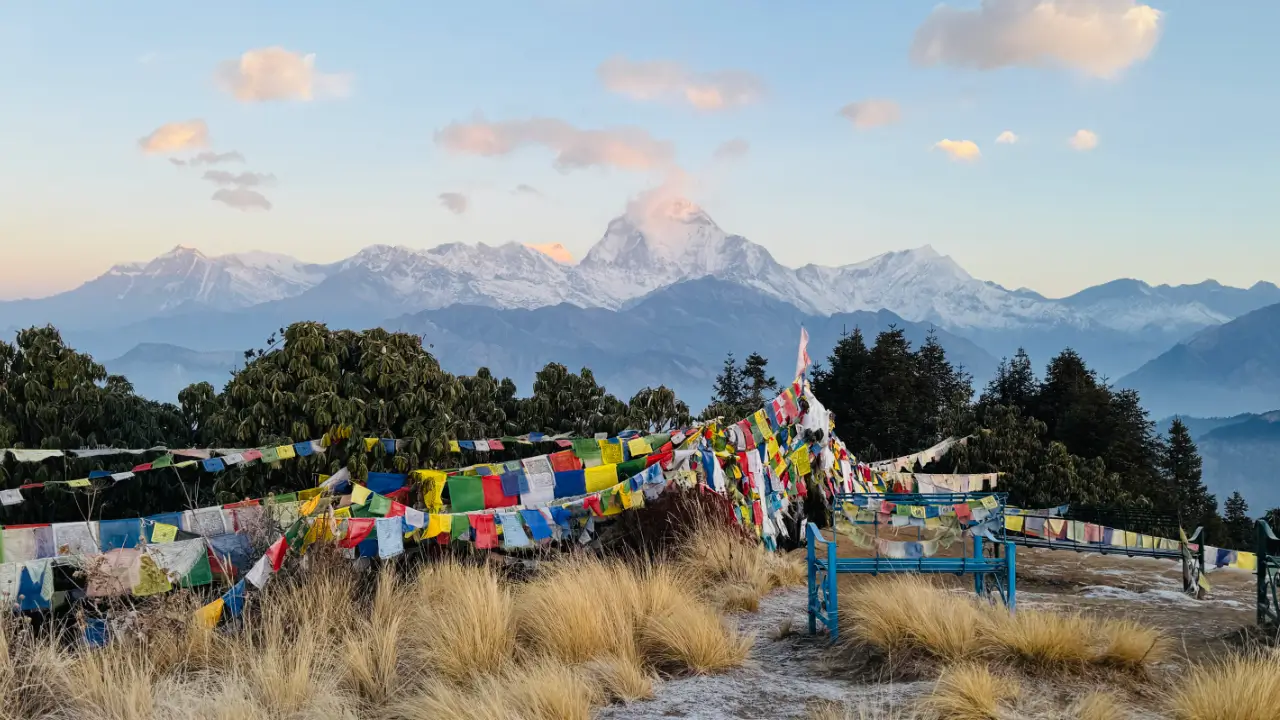
Guides and porters trained by local agencies will point out any hazards like river crossings or steep descents. In fact, one writer explicitly notes that “Easier trekking routes for solo travelers in Nepal include the Annapurnas”, especially during peak trekking seasons.
The Annapurna Sanctuary trek (to ABC) is gentle on altitude and highly supervised, while the Poon Hill trail is short and crowd-friendly. In all cases, travel in spring or autumn to enjoy crowded trails and avoid monsoon landslides or winter cold.
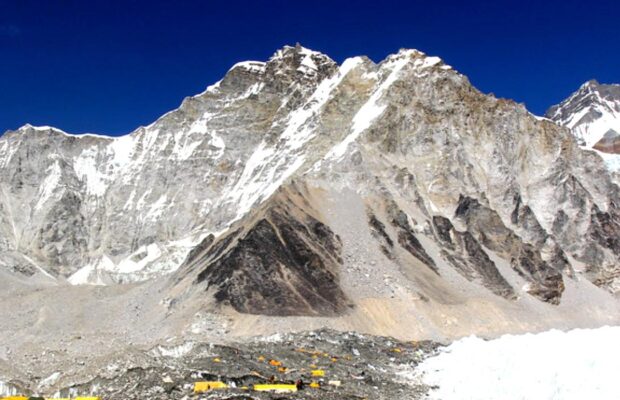
Everest Region (Everest Base Camp, Gokyo Lakes): The Everest trail has become remarkably accessible. Though the altitude is high, the route (via Namche Bazaar and Tengboche) has lodges almost every day. As one guide notes, “Although tourists are often approached in Thamel, trekking areas do not see harassment.
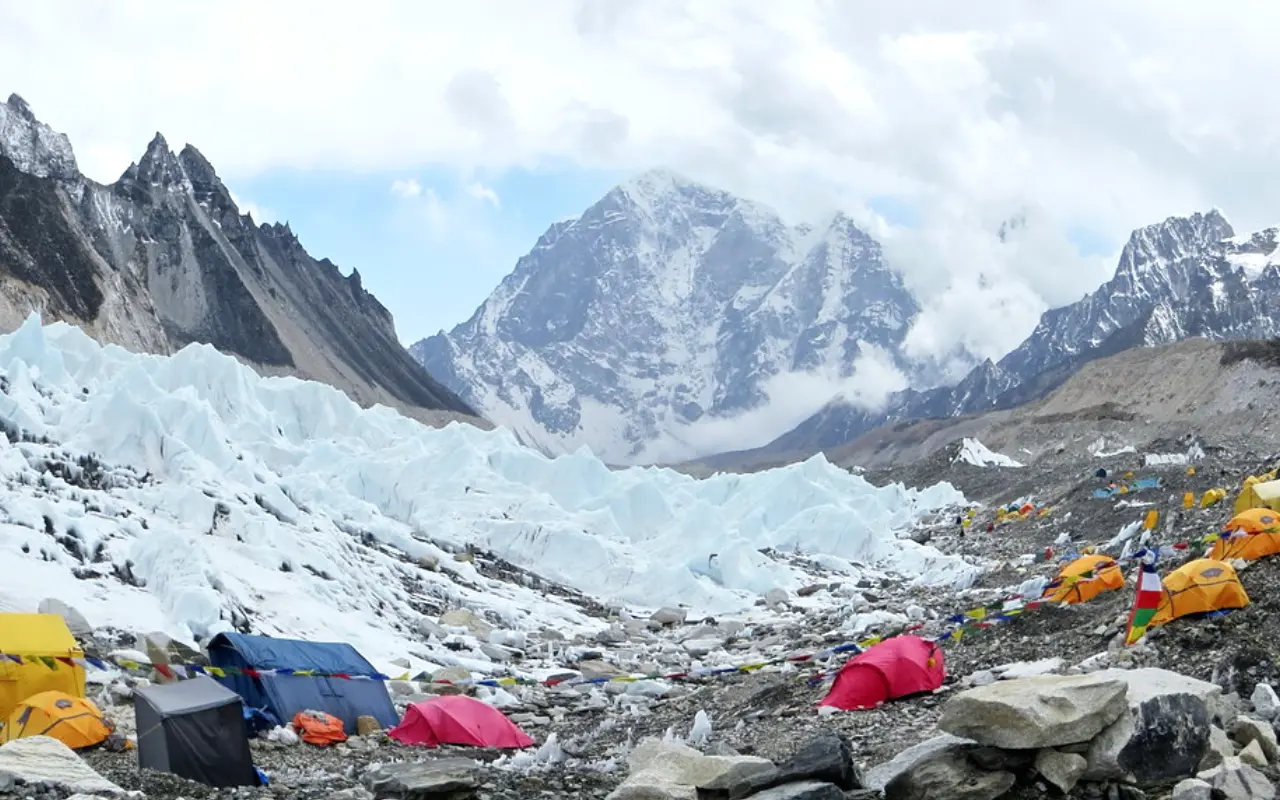
Many drivers and locals are genuinely okay and sometimes go out of their way to help”. Many female trekkers choose to hire guides (including experienced Sherpas or female guides) to ensure safety. In fact, popular trekking agencies and porters’ associations have certified dozens of Nepali women to lead groups on Everest and Annapurna treks.
With such support, women exploring the Everest trails regularly report feeling secure. (Remember: always acclimatize, and never attempt the Hillary Step or other climbs unless you are properly roped with guides.)
Empowerment Through Female Guides
A heartening trend in Nepal is the rise of women guides and leaders. Organizations like EWN and the Trekking Agencies’ Association of Nepal now offer scholarships and training programs specifically to get Nepali women outdoors. Many adventurous Nepali women have become licensed hiking guides, mountain bike leaders, and whitewater rafting instructors.
Hiring a female Nepali guide can give you added confidence. In addition to safety, female guides often provide a unique understanding perspective: they know the local culture deeply and can address any concerns you have.
As one recent blog points out, “female guides ensure safety during treks and tours, making them an excellent choice for solo women”. Best of all, choosing a female guide directly empowers Nepalese women and promotes gender equality in the region.
Whether you pick a male or female guide, go with a professional, licensed company. A good guide will carry first-aid gear, understand altitude protocols, and have reliable communication. They’ll also advise on attire (for example, wearing a light shawl if needed and modest clothes at temple visits) and share insider tips on the safest tea houses or pit stops.
Connecting with local guides means you’ll hear real-time advice: for instance, Nepali drivers sometimes share that flooding or landslides block the road ahead, and guides will reroute you. In short, going with a team makes your adventure far smoother – as one traveler noted, “the network of guides, porters, teahouses, and fellow travelers is vast and genuinely supportive. Being a solo female doesn’t mean being truly alone”.
Traveling with Ambition Himalaya
When planning your trip, consider booking with a reputable company like Ambition Himalaya. We specialize in tailoring adventures that are secure, culturally sensitive, and empowering for women. Our local guides are fully licensed and bilingual; many are female or have worked extensively with female clients, so they understand your needs.
We only send trekkers on well-marked, registered routes and book certified accommodations. We also offer women-only group departures on popular treks, which means you’ll be trekking in the company of other solo female adventurers if you wish. (This can be a great way to feel extra safe and make friends.) In Kathmandu and Pokhara, our guides will always arrange your airport pick-up and help you with local communications.
Beyond trekking, Ambition Himalaya can pair you with cultural tours led by local female experts – for instance, a Kathmandu Valley heritage walk with a Nepali guide, or a village homestay run by local women. Our women-guided tours emphasize community-based tourism, helping ensure that your visit benefits local families and women’s cooperatives.
In short, choosing a professional guide service like ours means you see Nepal with both your eyes and our expertise. We are here to confidently answer the question, is it safe? and to make your voyage on the way a fulfilling one, at the beginning and the end.
Ready to Plan Your Trekking? Contact us
More Blog Posts
National Parks in Nepal : Complete Guide (2026 Updated List)
Top 10 Most Challenging Treks in Nepal for Adventure Seekers