
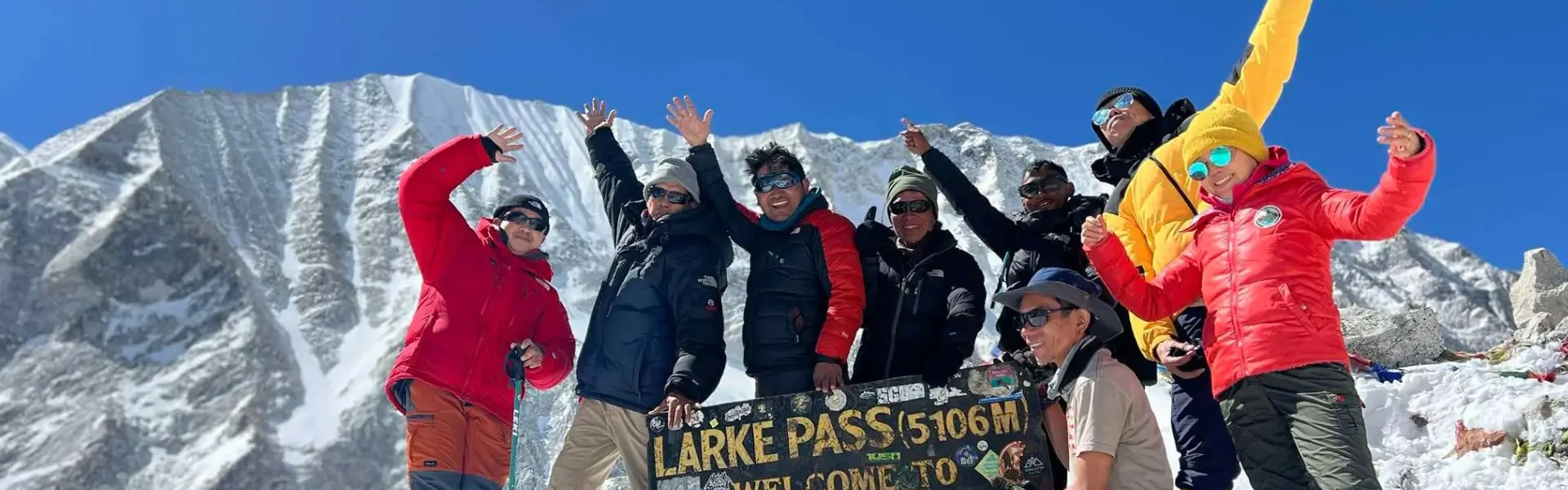
Manaslu Larke Pass Trek 14 Days


 Trip Duration
  Group Size
  Max. Altitude
  Difficulty
 Meals
Meals - Breakfast
- Lunch
- Dinner
 Accommodation
 - Tea House
- Lodge
- Hotel
 Activities
- Trekking
- Sightseeing
 Best Season
 - Mar-May
- Sept-Nov
$ 1000USD
- No. of Pax Per person
- 2 - 2 peopleUS$ 1250
- 3 - 5 peopleUS$ 1200
- 6 - 9 peopleUS$ 1120
- 10 - 15 peopleUS$ 1050
- 16 + people 9999 US$ 1000
Total Cost:
US$
- Private trip departures everyday
- No hidden cost
- Local based company
- We can help for big group
- Over 17 years of experience
- According to your needs, we can Customize the itinerary.

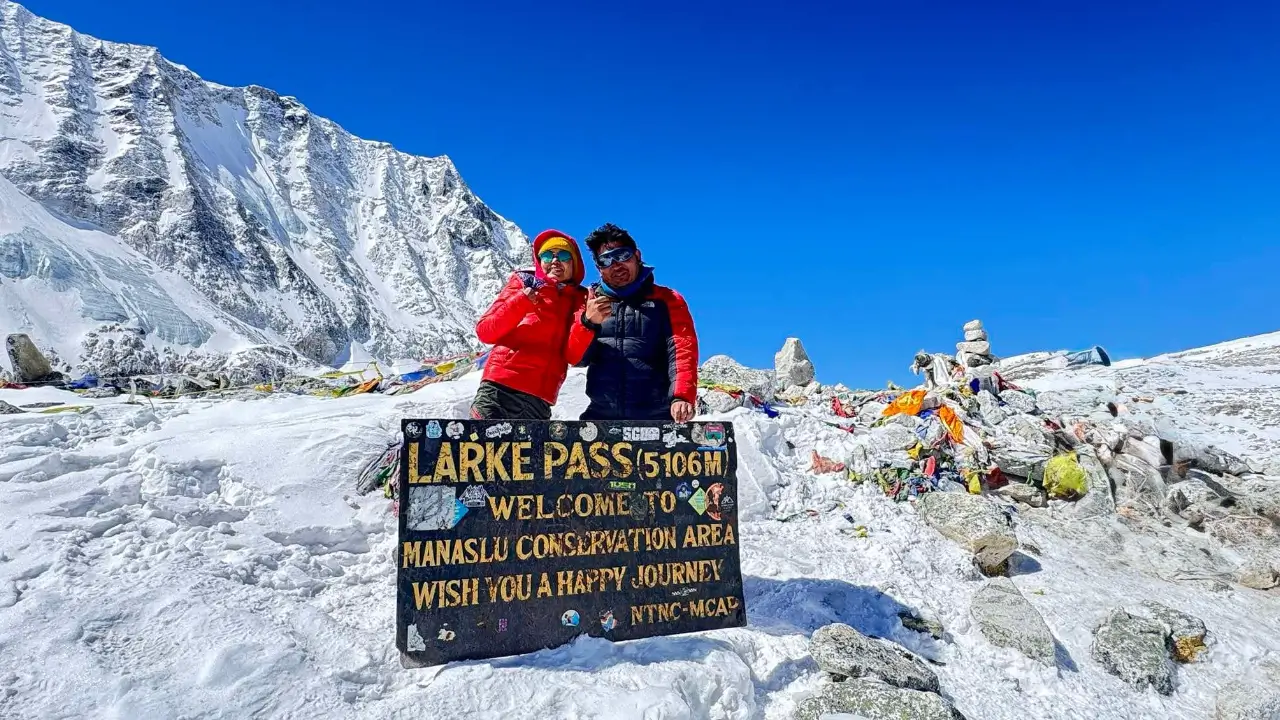
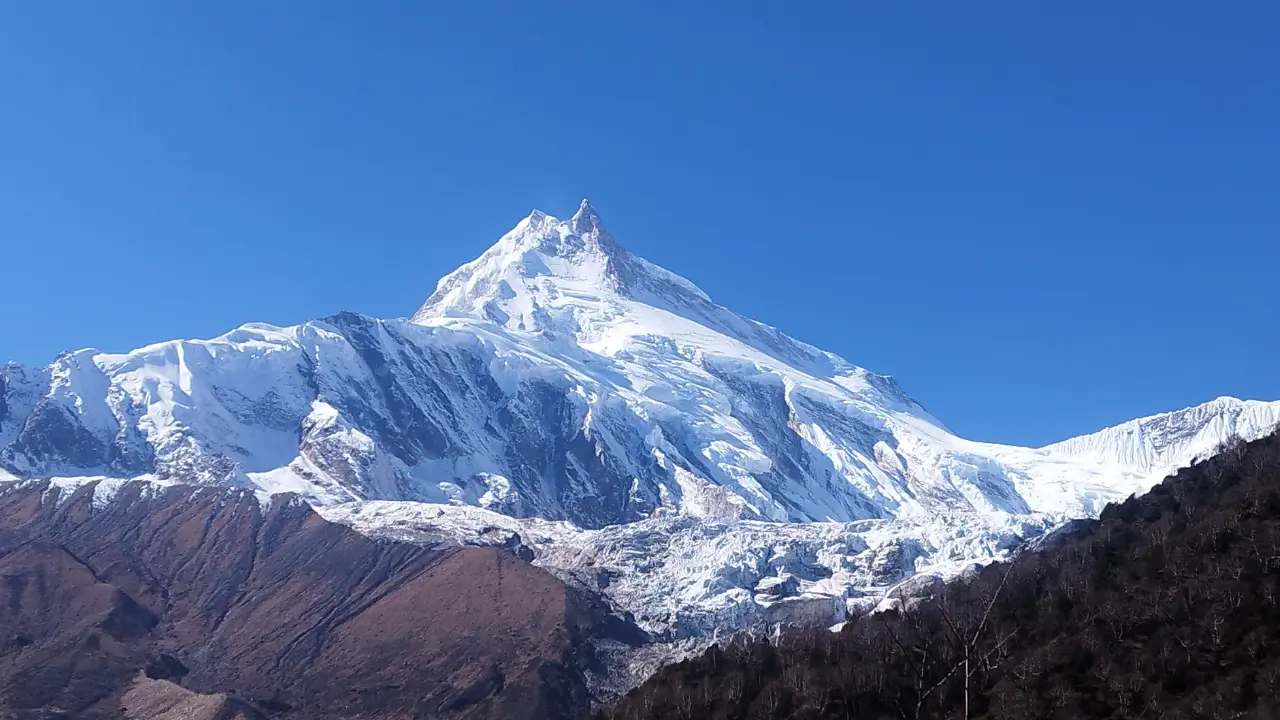
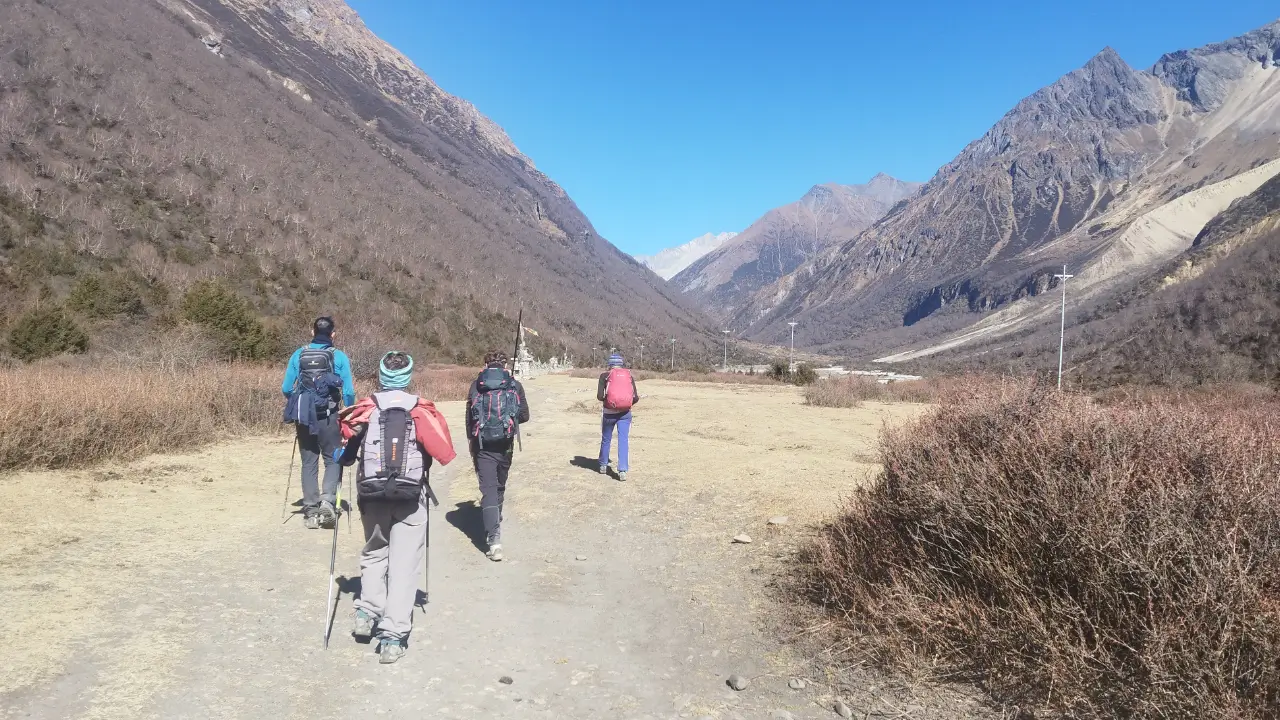
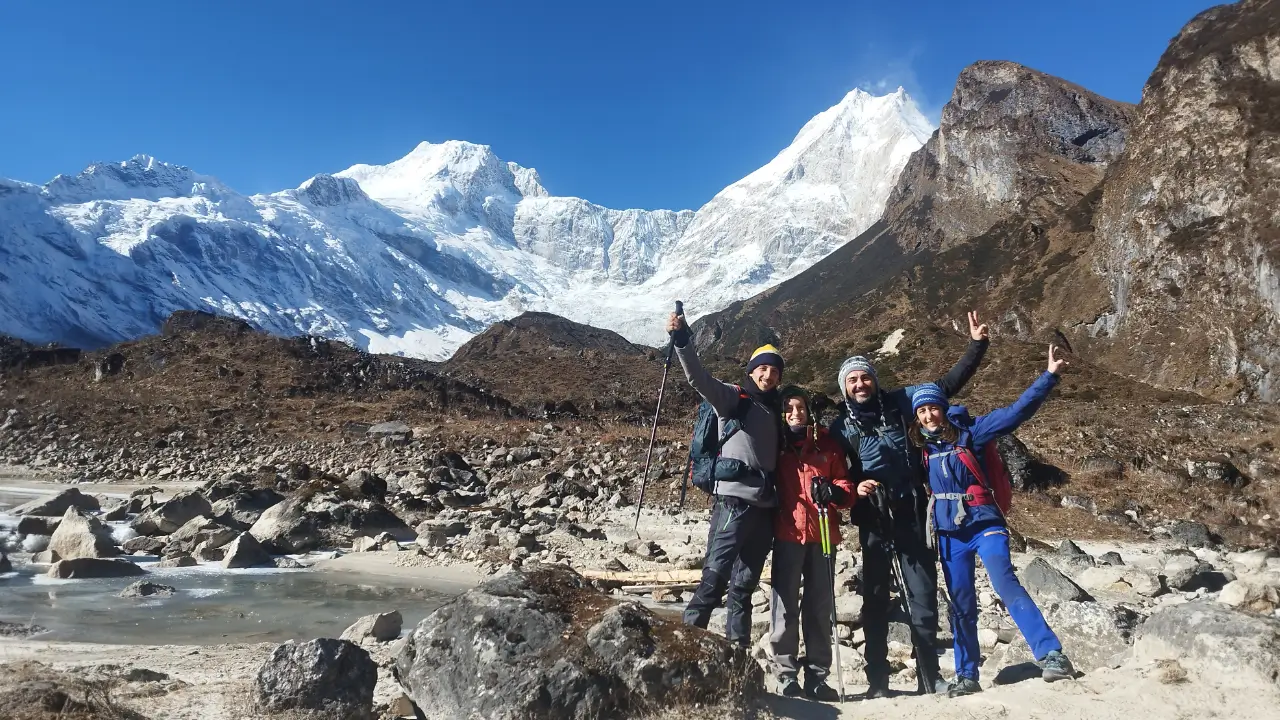
Manaslu Larke Pass Trek 14 Days Photo Gallery
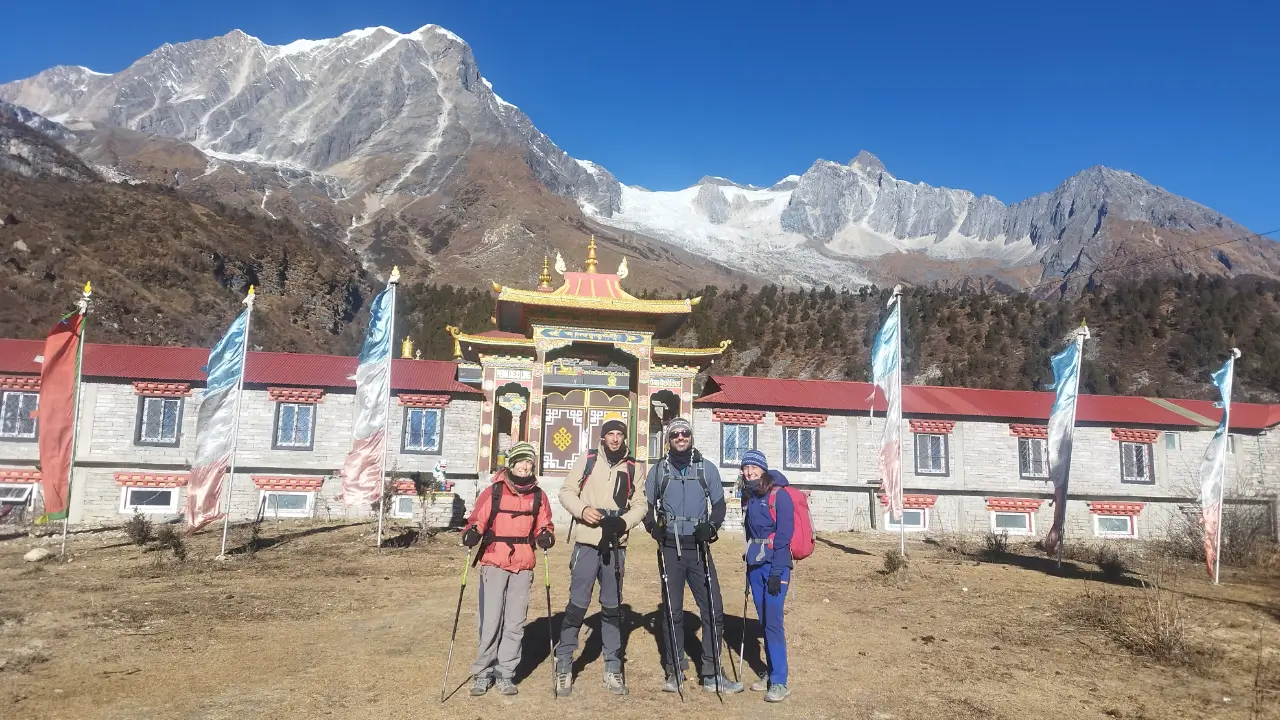
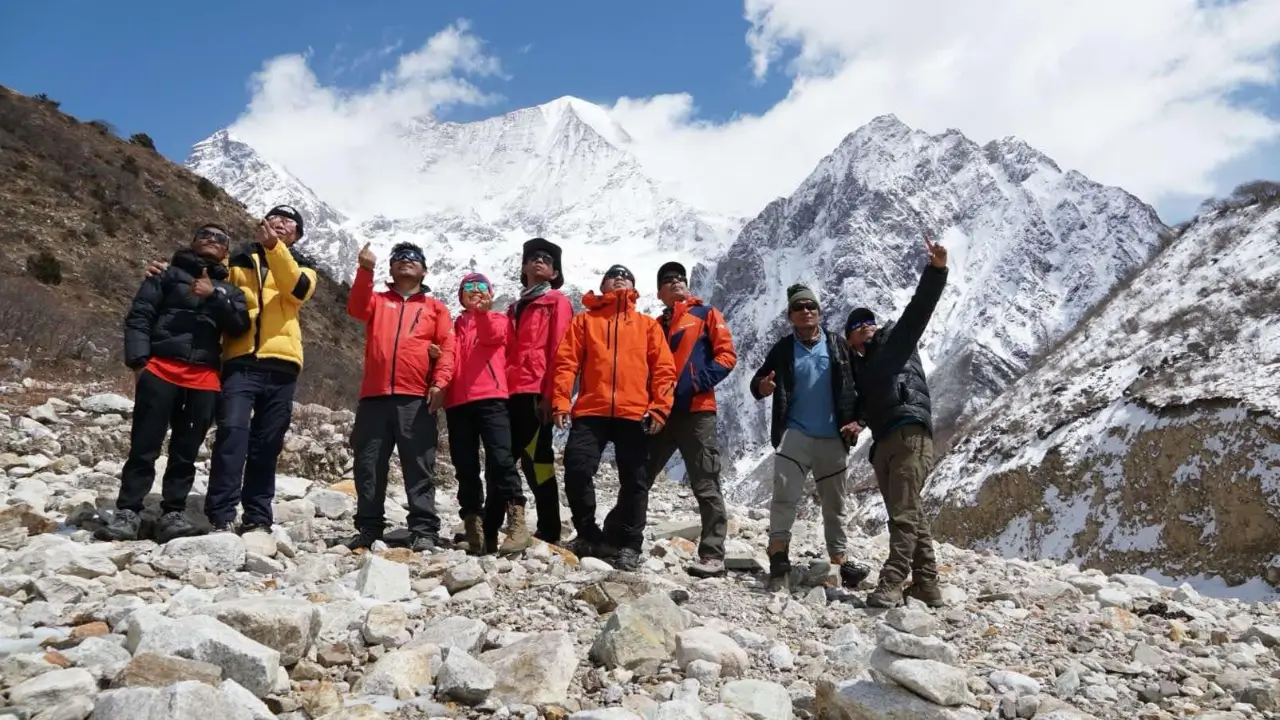
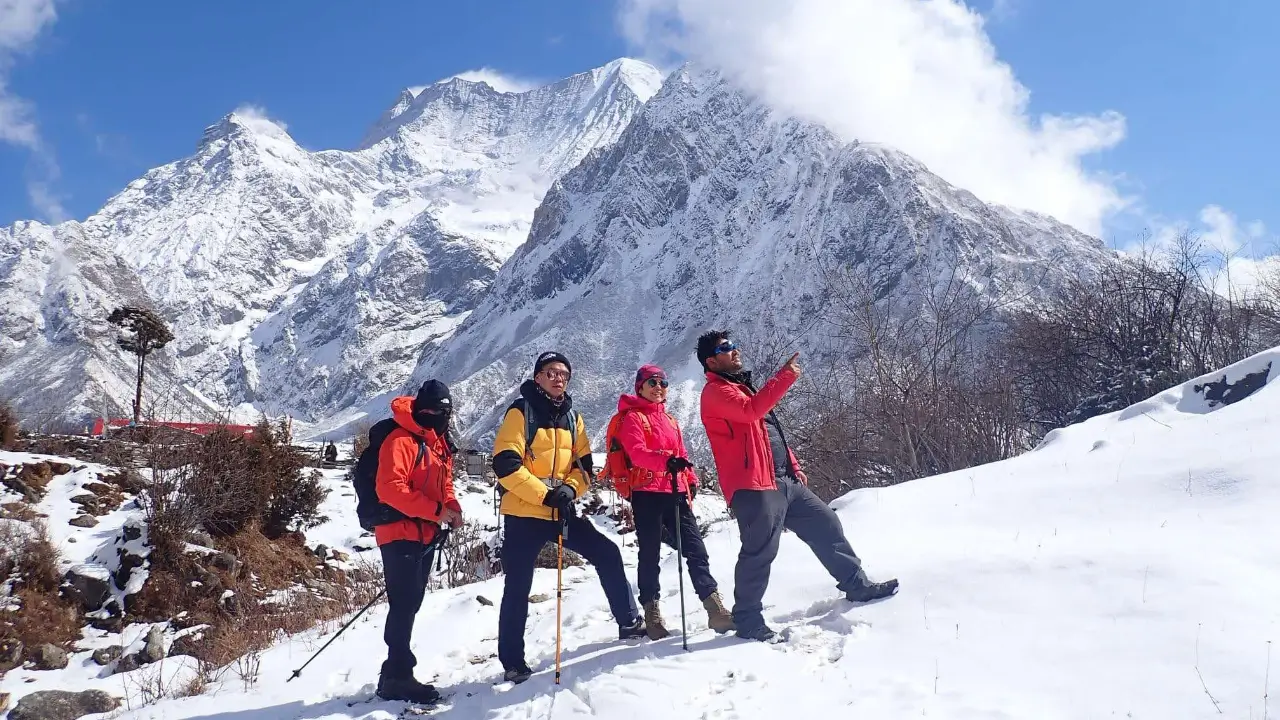
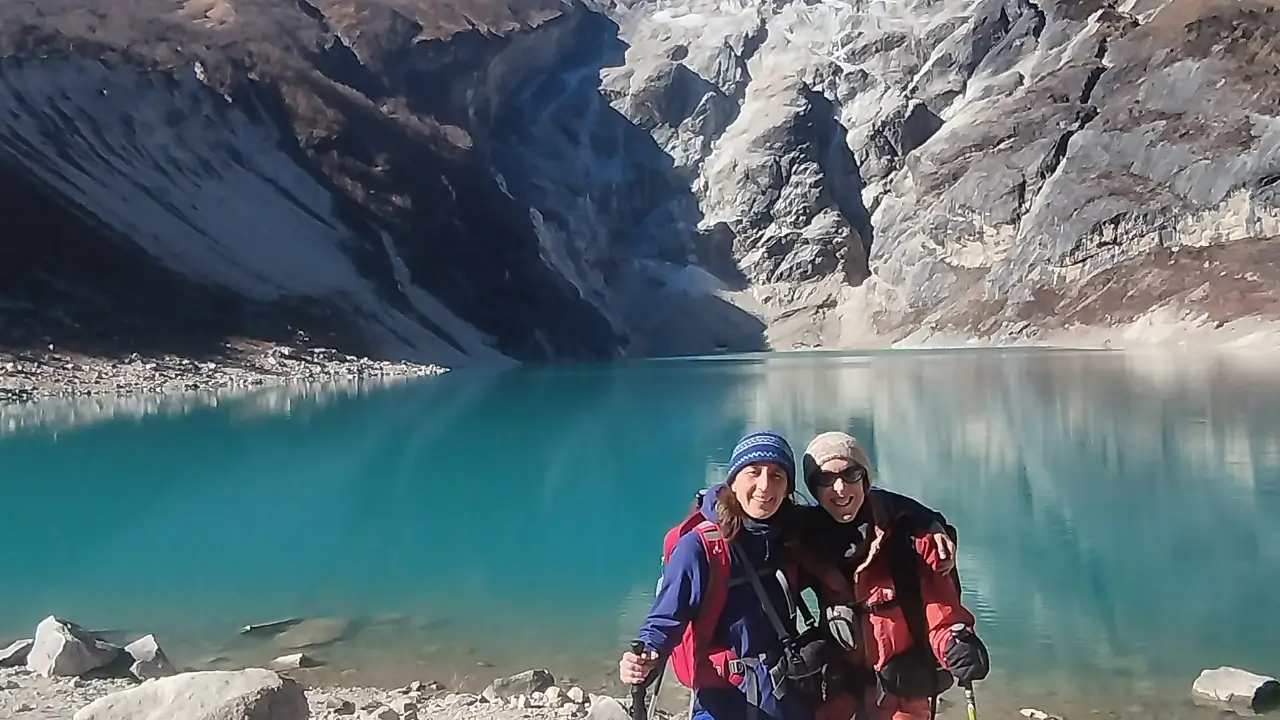
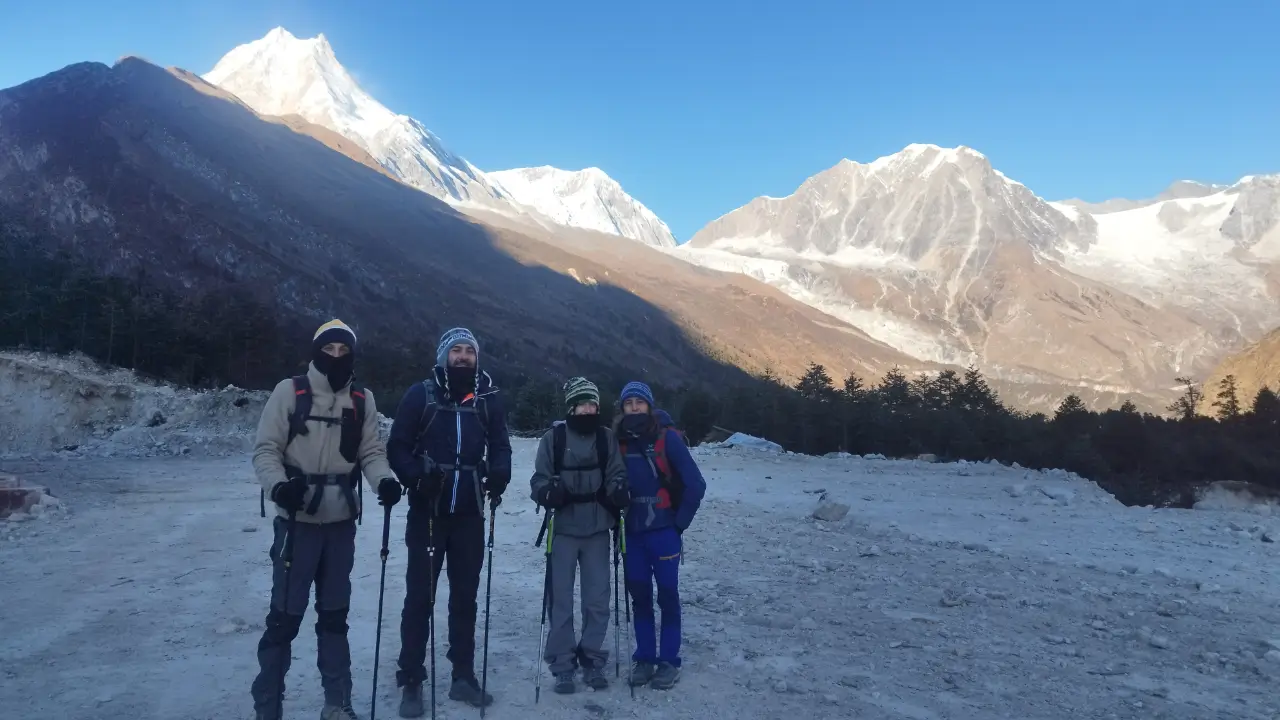
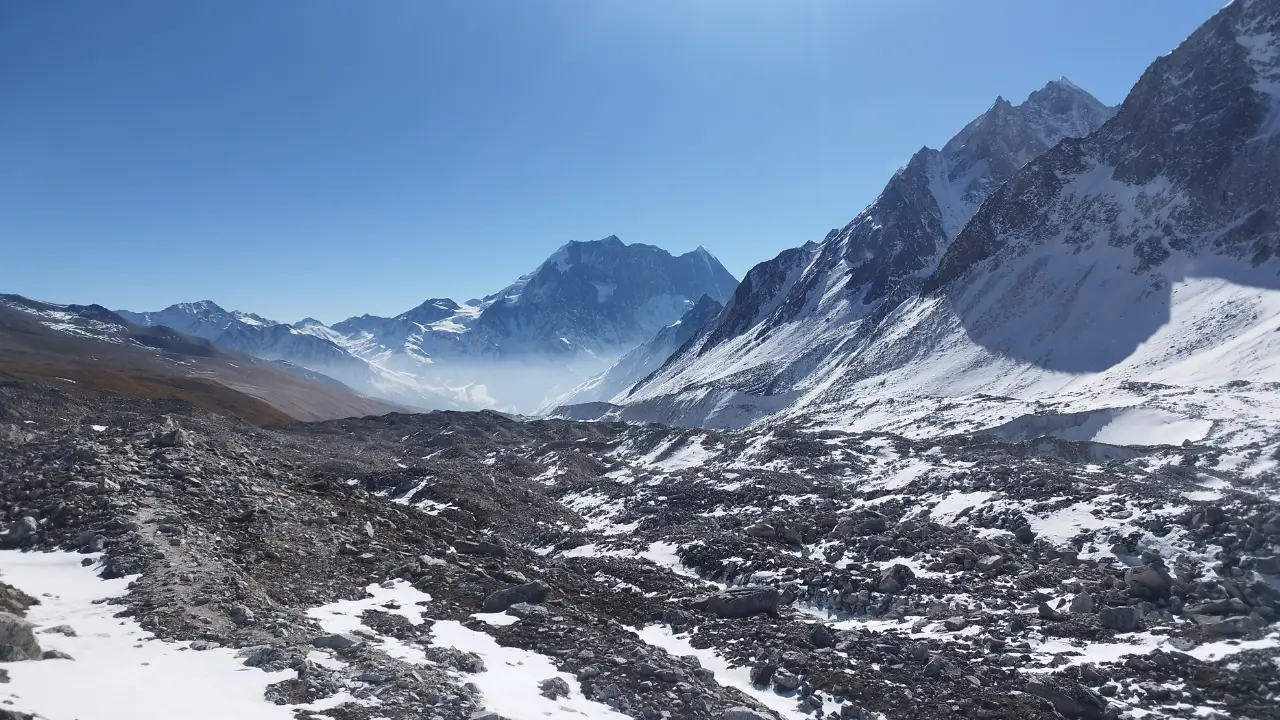
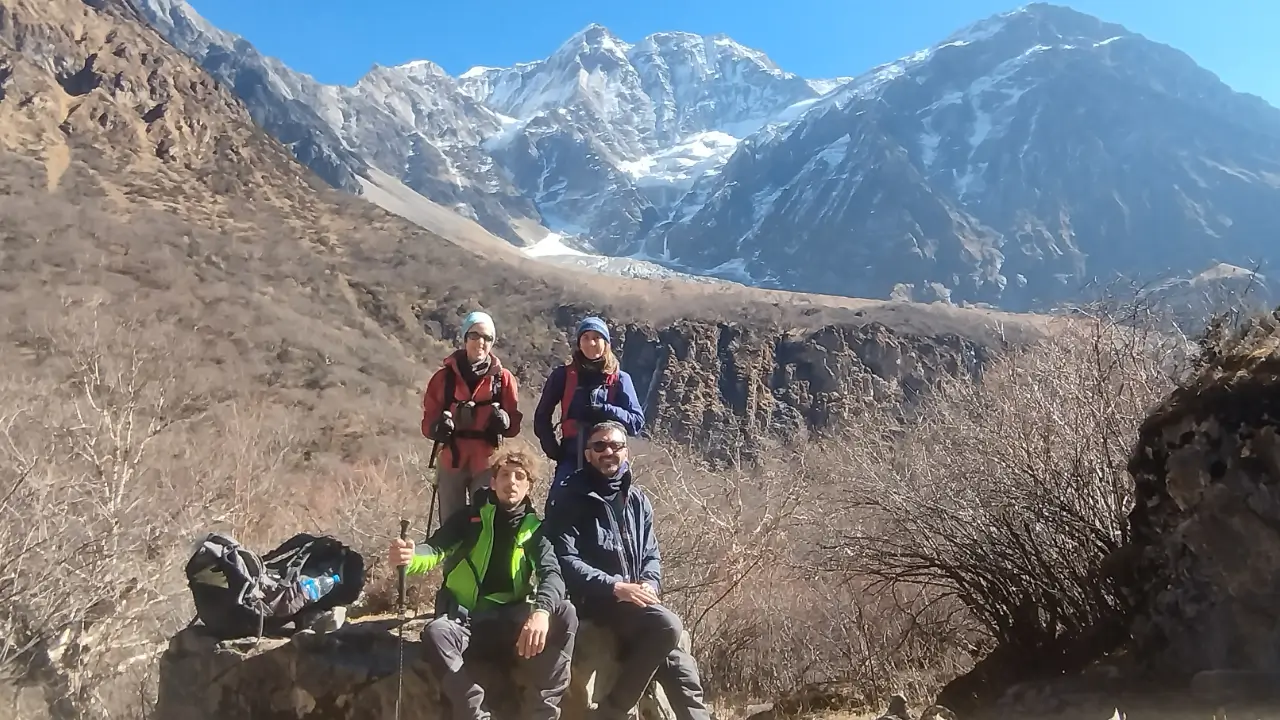
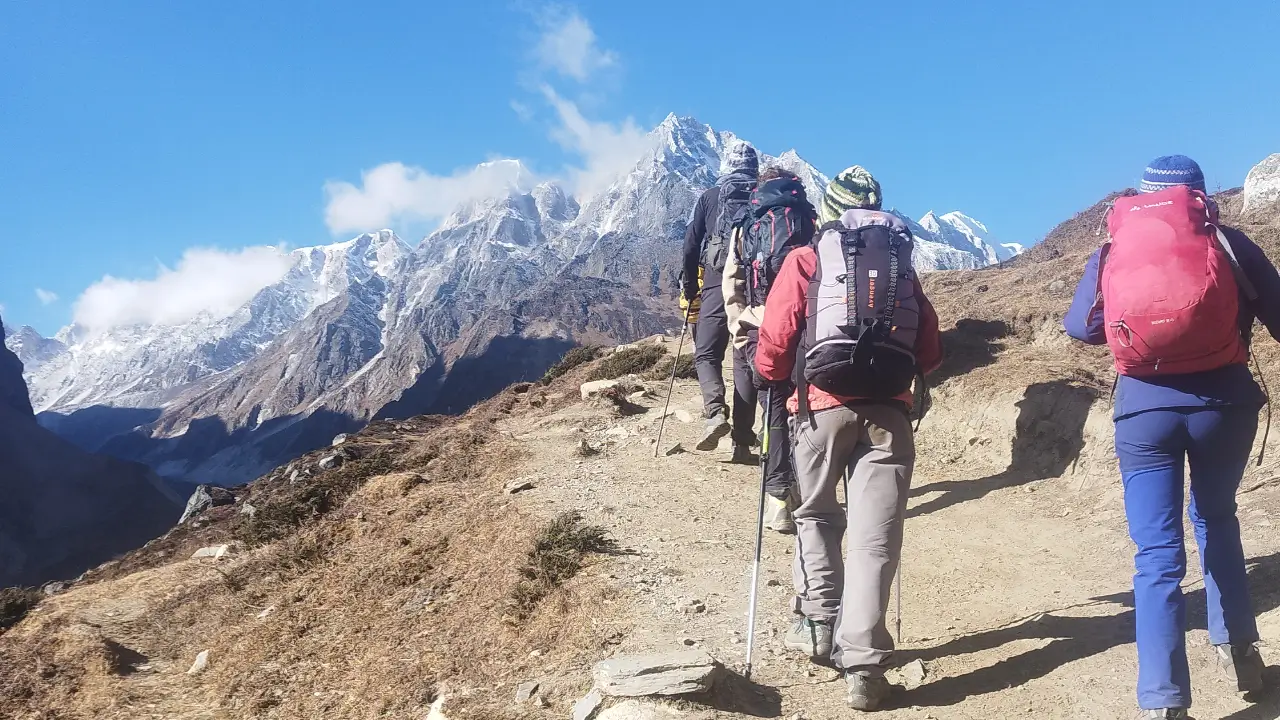
Video Reviews
Itinerary of Manaslu Larke Pass Trek 14 Days
Includes/Excludes
What's included
- Airport pickup and drop-off services by private vehicle
- Private Jeep to Machhakhola (Trekking Starting Point)
- Tilje to Kathmandu by private jeep
- 3-star accommodation in Kathmandu as per the itinerary, with breakfast
- Manaslu conservation entry permit fee
- Annapurna conservation entry permit fee
- Manaslu Special Zone entry permit fee
- 3 meals per day during the trek [breakfast, lunch, and dinner]
- Accommodation in a lodge during the trek
- Trekking Guide [English-speaking, eco-friendly, government-licensed]: all expenses and insurance
- Assistant trekking guide for groups of over 6 people with all expenses and insurance
- Strong porters [one porter shared between 2 paying people] with all their expenses and insurance
- down jacket and sleeping bag to use if you need
- Ambition Himalaya T-shirts free
- Manaslu Circuit Trekking Map for a group
- The guide will carry First aid medicine and an Oximeter to monitor oxygen level and heartbeat.
- Necessary paperwork, government and local taxes, and company service charges
- A complimentary welcome or farewell dinner in Kathmandu at a typical Nepali restaurant
- Pre-trip meeting before the worst-case scenario in Kathmandu
- Worst-case rescue and medical evacuation arrangements
Optional Addons
(Available addons on extra cost)
- Deluxe hotel in Kathmandu
- Want to add extra days in Katmandu or trek
- If you want to add a tour in Kathamndu or a Jungle safari in Chitwan National Park
What is excluded
- International Airfares and Visa Fees: $30 for 15 days, $50 for 30 days, and $125 for 90 days
- Travel and Rescue Insurance, Emergency Evacuation talk with the Insurance policy.
- Bar and beverage bills, tea coffee, hot and cold drinks,
- Mineral water, hot showers, telephone bills, laundry
- Wi-fi, battery charges
- Extra activities other than those mentioned in the itinerary
- Lunch and Dinner in Kathmandu [Meals not included in the cases of early returns from the trip
- Costs arising from natural calamities, mishaps, or anything beyond our control (costs are not refundable or transferable in any way if you leave the trek voluntarily and want to return from the trek)
- Tips and Gratitude for Trekking Crews
- Any services not mentioned in the “Services Included” section are not included unless specified in the booking of the trek.
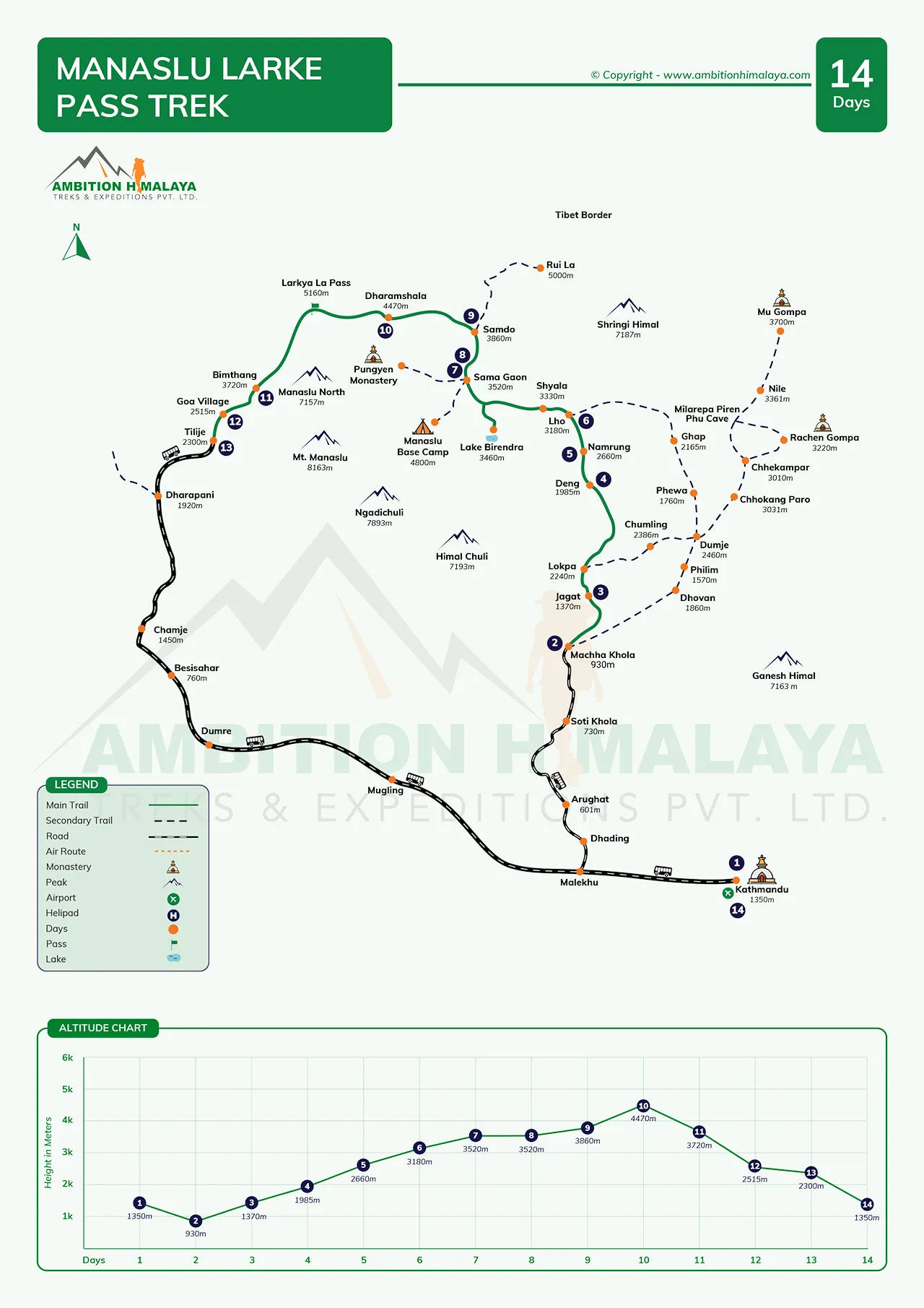
Route Map & Altitude Chart
Private Group Discounts Available
| No. of People | Price Per Person |
| 2 Pax | US$ 1250 |
| 3-5 Pax | US$ 1200 |
| 6-9 Pax | US$ 1120 |
| 10-15 Pax | US$ 1050 |
| 16 Over | US$ 1000 |
Trip Information
Reason Behind Manaslu Designated as Restricted Region
The visitors in the Manaslu region is regulated even today because Manaslu is the restricted area that comes under the protection of Nepal Government. A special permit is essential for every trekker to enter this region which is called the Restricted Area Permit (RAP).
Manaslu region is home to some of the very unique culture and inhabitants of Nepal such as Nubri and Larke Bhote. They still have their own distinctive dialects and customs and they care less about tourists.
Similarly, the forest of Manaslu shelters several threatened species of animal and plant such as red panda, snow leopard, musk deer, rare snakes and birds and butterflies.
The government is actively working hard to protect these wildlife and restore their population. Additionally, the Manaslu region shares border with Tibet which is a very sensitive region. Before countless refugees entered Nepal through the border which now Nepal is trying to control.
Likewise, the adjacent Annapurna and its people have lost their original value due to the uncontrollable surge of tourism. Thus, to avoid facing similar challenges, access to the Manaslu circuit trek remains controlled to date.
Manaslu Larke Pass Trek: Best Season
Like in most part of Nepal, the climate of Manaslu and the Annapurna is shaped by the monsoon resulting in hot humid and wettest summer, dry spring and fall, and very cold winters.
Therefore, the most comfortable season for the Manaslu Larke Pass trek will be the time between March and May which will be spring and the time between September and November which will be fall or autumn season.
These two time periods offer the pleasantly mild and cool heat during the day appropriate for long hiking hours, the constant weather and clearest skies for the excellent Himalayan panorama, and the decorated trails of the Manaslu with pink shade of rhododendron (spring) and brown-orange shade (autumn) create the perfect environment for this adventure.
The winter time between December and February are not suitable for the new trekkers but can be manageable by the serious trained and seasoned hikers. The very coldest heat, the thick pile of snow, and ice on the way to the pass create the tough environment for this trek.
The summertime between June and August should be avoided even by experienced trekkers due to the potential current of raging rivers, landslides, and mosquito infestation.
Manaslu Larke Pass Trek Route: Level of Difficulty and Challenges
The Manaslu Larke Pass trek route has been designated as a C-level trek, which means it has a moderate difficulty rating. The route around the mountain has a mix of demanding and remote terrain that includes some steep slopes, and sharp descents along with several crossing of the rivers over the highly hung bridges.
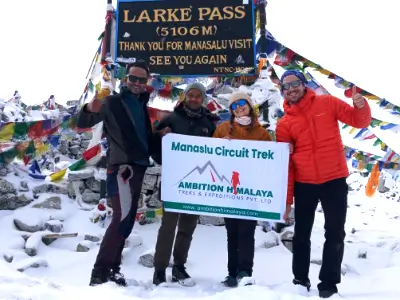
You will also overcome the 5106 m high challenge at the Larke Pass and you will sleep for a night at 4460 m altitude of Dhamasala. So, if you are very new to the hiking or not accustomed to high altitudes, this trek may be quite challenging.
However, the Manaslu circuit trek route has no technical ordeals so the route is walkable by many level travelers. Other adding factors to the toughness of the trek are the longer walking hours between 5 to 7 hours each day.
Among them, the hardest and longest one will be on 11th day of pass crossing that will require you to journey for 8 to 9 hours. However, we like to emphasize that our Manaslu Larke Pass trek itinerary has been composed for all active individuals who love nature walks, not just experienced athletes.
Who can be the participants of our Manaslu Larke Pass trek itinerary?
Our 14 days Manaslu Pass trek itinerary accommodates all types of trekkers of different caliber and strength. In fact, even those who are just commencing their first high-altitude adventure can be the active participants of this trek.
It is because the path is really not that complicated, technical, and even the Larke Pass trail is manageable which has been walked by locals for many years for transfer of their mules.
However, you will have to buckle up for the long, fatiguing climbing up and down along the varied terrain from tropical humid jungles to the cold vast glacial landscape.
Moreover, the Manaslu circuit trek has been transformed to lodge hiking only since 2015 and it is still restricted which means the region has not much to offer as luxury.
So if you are all set to sacrifice hot showers, and social media platforms for a few days in exchange for pure nature, then you can definitely be a part of our Manaslu circuit trek 14 days itinerary.
Acute Mountain Sickness/AMS and Acclimatization
At some point of trekking around Manaslu, you may encounter a few symptoms of the acute mountain sickness/AMS commonly known among tourists as altitude sickness.
For multiple days, you will be in the elevation between 4500 to 5000 m where the high air contains less oxygen as compared to the sea level. Thus, your body will try hard to adapt to this less-oxygen air thus manifesting the few signs of the AMS.
Additionally, if you neglect the rest day with the acclimating walk, and proceed with your ascents harder and faster, then you may be the victim of AMS. If you also don’t rest enough and not consume enough fluids, this may also result in AMS.
The general signs of the AMS include dizziness, anxiety, headaches, confusion, irritability, trouble sleeping, digestive problems, and a loss of appetite.
To stop these signs from prevailing, it is essential for you to climb steadily and spend enough time at higher elevations. You should also consume enough fluid specially plain water and avoid taking sleeping pills, or muscle relaxants which can hinder your breathing.
Instead, you should take the diuretic drug named Diamox which helps in your swift adaptation to high air.
For easing your journey, we have had a rest day planned at Samagaon followed by the few hours of short walking hours before reaching the higher pass.
Preparation for the Manaslu Circuit Trek 14 Days Journey
The high-altitude journey like the Manaslu circuit trek needs three essential components: strength, endurance, and fitness. If you have these three, you can take any Himalayan adventure in the world. To improve all these components, you should aim for walking activity prior 6 weeks before your departing date.
Start with two hours and then increase the duration to 3 to 4 hours several times a week while carrying a backpack filled with light weight. To help yourself get accustomed to mountain trails, you should focus on steep inclines that will train your muscles for both downward and upward movements.
In addition, you can also make stair climbing a priority to specifically enhance your leg strength. Also do pull-ups and push-ups, and squats that will improve your heart health as well as leg strength.
If you can, explore nearby mountains that reach at least 3000 meters. If you are not too eager to reach 5000 m altitude on your first time Nepal mountain journey, then consider going on a simple and easy Poon Hill trek or walking along the Annapurna trail.
We also encourage you to view documentaries about Manaslu and Larke Pass, their living conditions, climate, and trails. Additionally, you should also create bonds with your fellow travelers and guide during your trek that will not only make your adventure more enjoyable but also lead to greater success.
Other Routes and Treks that can be integrated with the Manaslu Larke Pass Trek Route
If you wish to discover more untouched and unadulterated villages of Manaslu, then we can suggest one more route for you that will take you around Manaslu mountain.
You will journey to Manabu hamlet from Kathmandu on a 4 wheel, then you will traverse the very rural and distant villages of Yarsta, Kasigaun, Keranja, Runchet, and Hulchuk on foot.
Once you cross Dobhan, your trail will join the route towards Jagat from where your Manaslu Larke Pass trek itinerary will be the same as we have outlined above.
However, this trail will be tougher, and longer and need you to home stay with the locals.
As for other hiking destinations that you can integrate with our Manaslu Larke Pass trek are the Annapurna circuit trail, the Tsum Valley trail, and Nar Phu Valleys trails.
Sleeping, Eating, and Transportation
During your Manaslu circuit trek 14 days journey, entrust us for prearranging all your sleeping, eating and transporting options. In Kathmandu, for two nights, you will enjoy the facilities and charm of a three star-rated hotel.
You will have a room with two single comfortable beds to be shared with the same-gender traveler. Your room will come with a private shower, running hot water, and of course WiFi.
As your adventure will lead you through the Manaslu villages, you will have your warm sleepover at the mountain tea houses. The rooms will be quite small with two beds, mattresses, pillows, and blankets.
The sanitary space may have to be shared with other trekkers and the toilet will be squatting styled. However, we promise, your stay will be in the warm and very inviting environment.
In terms of eating, you will have morning breakfasts in Kathmandu and you can choose your own lunches and dinners. On the trek, hot tea or coffee along with three main courses of dinners, breakfasts, and lunches will be offered at the tea houses.
Please understand, the menu may not be long and diverse but they will be delicious and hygienic at all cost. Dal Vat will be omnipresent along with momos, thukpa, soup or fried noodles, eggs, potatoes, and pasta.
With regard to transportation, we offer you a customized service via private transport for all your ground and airport transfers. The service includes airport transfer in and out along with Kathmandu to Machhakhola and Tilije to Kathmandu travel.
Compulsory Permits for the Manaslu Larke Pass Trek
Since the entry in the restricted land of Manaslu in regulated, we need to stick to few rules for our Manaslu Larke pass trek. We cannot visit Manaslu individually, instead we need to be the participant of an organized trekking group that must consist at least two group members.
The trek must be coordinated by a licensed travel and trek agency like ours, then only we can have the Restricted Area permit/RAP that will allow us to go inside the Manaslu area.
The payment for the RAP depends on the time of your trekking: spring and autumn hikes need USD 100 per participant, while summer and winter hikes need USD 75 per participant.
We also need two other compulsory permit which are the CAP Permit for the Annapurna Conservation Area and the MCAP Permit for the Manaslu Conservation Area. Both need the payment of USD 30 per participant at the tourism board in Kathmandu.
Entrust us with the fees and the procedure for the procurement of all the permits.
Travel Insurance
Please understand that without proper travel insurance, you will not be able to be the participant of our Manaslu Larke Pass trek. Th RAP permit essential for this journey is available only once we present your policy paper in the concerned department.
Therefore, when you purchase the insurance policy for this adventure, please ensure that you have included the following coverage:
- Provision of medical support
- Urgent surgical procedures
- Ambulance transportation services
- Inpatient care at medical facilities
- Repatriation services in the event of death
- Emergency helicopter rescue operations up to an altitude of 5,000 meters
- Cancellation policy: reimbursement for trip or flight cancellations because of factors outside the insured’s control
- Unforeseen return from travel due to the illness of the insured or a family member
- Coverage for accidents occurring during hiking activities
- Comprehensive assistance for travel-related medical emergencies

Good to know, before you travel
Want to learn more about this journey in-depth? Essential Trip Information includes a thorough itinerary, information for visa processing, Accommodations, Food , Acclimatization’s and pretty much anything else you could possibly need to know about this tour. Read more inside.
Frequently Asked Question
No, although distant, being next to the Annapurna region, the Manaslu region also enjoys the good mobile network (NCELL and NTC).
Yes, you can have paid WiFi internet at the tea houses but their signals can be very sporadic and weak. You can also rely on the 4G data internet of local mobile networks
Yes, you don’t have to fret about that but the extra payment may be needed.
Yes, but we do suggest bringing your children above ten years because the high altitude and the remote setting can be a bit tedious for the younger ones.
We do not advise this trek to any individual suffering from the severe condition of musculoskeletal, and cardiorespiratory systems. The high elevation, the remoteness, and the tough environment can cause the condition to aggravate needing prompt medical attention which may not be available.
It is yes but it is not needed because Samagaon is very near to the base camp where we can have the warm night on the cozy bed. In the base camp, there are no tea houses so a tent set up will be essential and not to mention the frigid cold that we have to endure.
No, Everest and Manaslu are two completely different regions but you have Manaslu, Annapurna, and various other beautiful mountains in front of you to appreciate
Quick Inquiry Form
 Read all reviews in Tripadvisor
$ 1000USD
- No. of Pax Per person
- 2 - 2 peopleUS$ 1250
- 3 - 5 peopleUS$ 1200
- 6 - 9 peopleUS$ 1120
- 10 - 15 peopleUS$ 1050
- 16 + people 9999 US$ 1000
Total Cost:
US$
- Private trip departures everyday
- No hidden cost
- Local based company
- Over 17 years of experience
- Trip Customization